French Wine Regions: History, Statistics, and Regional Guide
The wine regions of France are defined geographic areas known for cultivating distinct varieties of grapes and producing wines with unique characteristics. French viticulture is a cornerstone of the country’s culture and economy, with a history dating back over 2,600 years and a current annual production spanning hundreds of millions of bottles. This article will explore the rich history of French wine, delve into the latest production statistics and economic data, provide a detailed guide to its iconic regions, and examine the future trends shaping this legendary industry.
The story of French wine is a long and evolving narrative, shaped by foreign influences, religious institutions, and global trade.
French viticulture dates back to approximately 600 BC, when Phoenician merchants established the first vineyards on the territory of modern-day Provence. However, it was the Romans who, during their conquest of Gaul, systematically spread viticulture across the land, encouraging the planting of vines in areas that would become the well-known wine regions of Bordeaux, Burgundy, Alsace, and Champagne. They discovered that the Biturica grape, an ancestor of Cabernet, thrived in these new territories, expanding wine production beyond the warm Mediterranean coast.
Following the decline of the Roman Empire, the Catholic Church became one of France’s largest vineyard owners and a crucial custodian of winemaking knowledge. In regions like Burgundy and Champagne, monasteries wielded considerable influence, and it was there that the concept of terroir first took root. Monks meticulously mapped out vineyards, identifying specific plots, or climats, that produced wines of exceptional character, laying the foundation for Burgundy’s intricate classification system that persists today.
During this period, political alliances also played a vital role. The 1152 marriage of Eleanor of Aquitaine to the future King Henry II of England opened the door for a long and fruitful relationship between Bordeaux and England, establishing a lucrative export market that would define the region’s future.
From the late 20th century to the present, the French wine industry has faced considerable change, including competition from other European and New World wine producers. More recently, the industry is grappling with declining domestic consumption due to economic uncertainty and shifting consumer preferences, particularly among younger demographics. This has led to overproduction in some areas, like Bordeaux, prompting some vineyards to explore alternative land uses. Furthermore, climate change is altering weather patterns, impacting grape quality and yields, and forcing producers to adapt with new technologies and grape varieties.
The French wine industry is a complex economic engine, currently navigating a period of significant transition and challenge.
French wine production in 2025 is expected to remain at a low level, with estimates pointing to around 36 million hectoliters (Mhl). This figure marks a 1% decrease compared to 2024 and, more significantly, keeps production 16% below the five-year average of 42.9 Mhl. The main factors behind this subdued output are a severe heatwave and drought during August, which accelerated ripening but prevented grapes from reaching their usual size, and the ongoing removal of thousands of hectares of vineyards.
The situation, however, varies dramatically by region, highlighting the disparate impact of climate and structural changes:
| Region | 2025 Production Forecast (vs. 2024) | Key Factors |
|---|---|---|
| Burgundy | +45% increase | Rebounding from previous year’s losses. |
| Loire Valley | +15% increase | Benefiting from early ripening and healthy vineyards. |
| Champagne | +14% increase | Absence of major weather challenges. |
| Bordeaux & South-West | -2% decrease | Vineyard removals and climatic issues. |
| Languedoc-Roussillon | -9% decrease | Heat, drought, mildew, and vineyard removal. |
| Beaujolais | -32% decrease | Sharp decline due to unspecified challenges. |
Beyond production, wine tourism has become a major economic driver. According to studies commissioned by the French tourism agency, the sector now generates annual revenues of €5.4 billion and supports nearly 31,000 jobs across the country. The appeal is undeniable: in 2023, 12 million tourists participated in winery visits, tastings, and vineyard tours. For 17 million visitors, wine was one of the top three reasons for choosing France as their destination. The southern regions, including Nouvelle-Aquitaine (Bordeaux), Occitanie (Languedoc), and Provence-Alpes-Côte d’Azur, attract nearly 60% of all wine tourists.
France’s wine identity is not monolithic; it is a tapestry of distinct regions, each with its own personality, grape varieties, and wine styles.
Located on the Atlantic coast, Bordeaux is one of the world’s most famous wine regions, renowned for its powerful red blends. The primary grape varieties are Cabernet Sauvignon, Merlot, and Cabernet Franc for reds, and Sauvignon Blanc and Sémillon for dry and sweet white wines. The region is home to stately châteaux and over 65 AOC (Appellation d’Origine Contrôlée) designations. Key districts include Médoc, Saint-Émilion, and Pomerol for reds, and Sauternes for prestigious sweet dessert wines.
Burgundy is a region where the concept of terroir is paramount. Unlike Bordeaux, Burgundy focuses predominantly on single-varietal wines. The red wines are made from Pinot Noir, evoking aromas of cherry and forest floor, while the white wines are made from Chardonnay, ranging from crisp and mineral to rich and buttery. The region is a patchwork of meticulously classified vineyard plots, first mapped by monks centuries ago. Key areas include Chablis for steely Chardonnay, the Côte d’Or for the most prestigious reds and whites, and Beaujolais to the south for fruity reds made from the Gamay grape.
As the northernmost wine region in France, Champagne’s cold climate and chalky soils provide the ideal conditions for creating the world’s most famous sparkling wine. Champagne is primarily made from three grape varieties: Pinot Noir, Chardonnay, and Meunier. The wine undergoes a specific process of secondary fermentation in the bottle to create its signature bubbles. The best vineyards are located around the cities of Reims and Épernay.
The Rhône Valley is split into two distinct personalities. The Northern Rhône is the home of the Syrah grape, producing powerful, peppery reds such as Hermitage and Côte-Rôtie. The Southern Rhône is known for bold, generous red blends based on Grenache, Syrah, and Mourvèdre (GSM), with Châteauneuf-du-Pape being its most celebrated appellation.
The Loire Valley, known as “the Garden of France,” is celebrated for its diversity and fresh, food-friendly wines. It is the country’s largest region for the production of white and sparkling wines. Key styles include crisp Sancerre (Sauvignon Blanc) from the east, versatile Vouvray (Chenin Blanc) from the middle, and mineral Muscadet from the Atlantic coast near Nantes.
Nestled in the foothills of the Vosges Mountains in northeastern France, the Alsace region is known for its aromatic, primarily dry white wines. Due to its history and geography, it shares a strong Germanic tradition. The most important grape varieties are Riesling, Gewürztraminer, Pinot Gris, and Muscat. Unlike other French regions, Alsace wines are often defined and labeled by their grape variety.
Provence is the undisputed king of rosé, with nearly 80% of its production dedicated to this pale, refreshing style. It is also the cradle of the French wine industry, where the first vineyards were planted around 600 BC.
Languedoc-Roussillon is the largest wine-growing region in France by volume, accounting for more than a third of the country’s entire wine output. Once associated with mass production, it has undergone a quality revolution and is now known for full-bodied reds from appellations like Fitou and Corbières, as well as fortified dessert wines such as Banyuls.
The French wine industry is at a crossroads, adapting to a new era defined by environmental and market pressures.
From its ancient Phoenician roots to its modern status as a global benchmark, the story of French wine is one of deep history, regional diversity, and continuous adaptation. While the industry faces real challenges from climate change and shifting markets, its foundation of strict appellation controls, a profound respect for terroir, and an unwavering commitment to quality ensures its enduring legacy. Whether you are a seasoned connoisseur or a curious newcomer, exploring the wines of France offers an unparalleled journey through taste, tradition, and the ever-evolving art of viticulture.
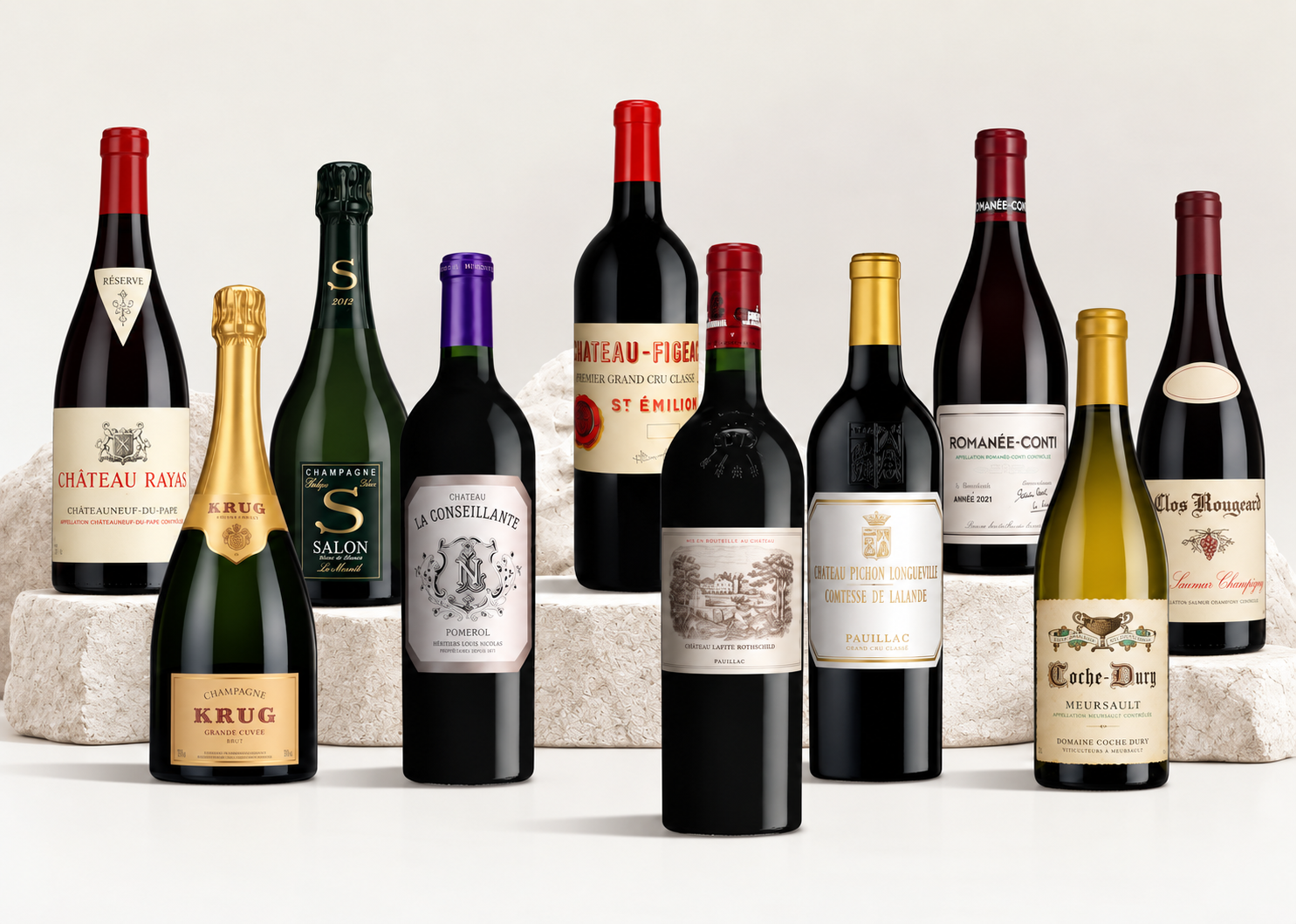
Most people who say they find French wine intimidating are
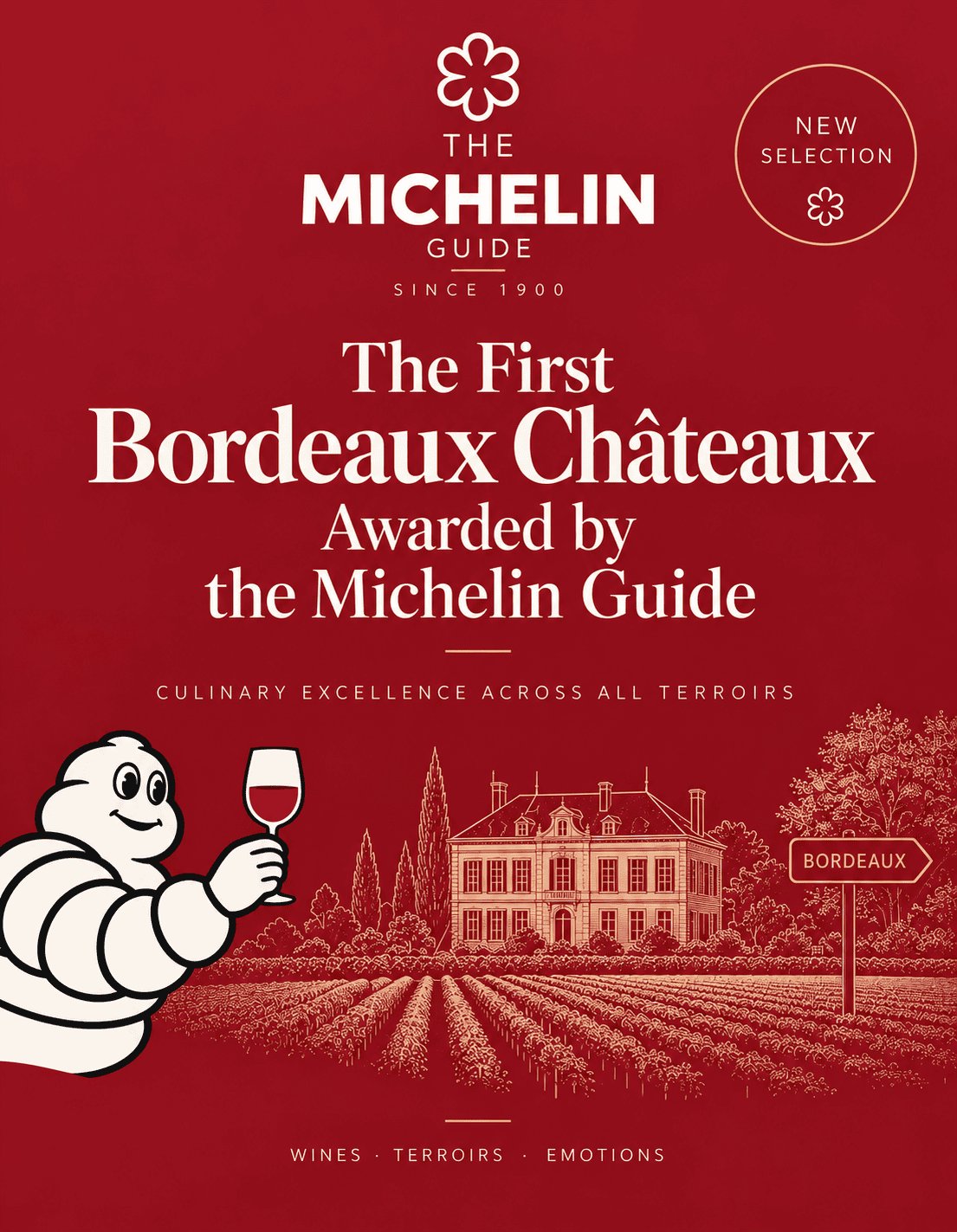
On 8 September 2026, at the Cité du Vin in

The most complete certified wine program in Bangkok is the