Essentials of Sommelier Skills

Master the elite craft of wine knowledge, impeccable service, and strategic food-wine pairing in our immersive Essentials of Sommelier Skills Program—your gateway to global sommelier excellence and certification success
Happy clients
0
Years Experience
0 +
Satisfaction
0 %

Description

Embark on an enriching journey into the art and science of wine, designed for aspiring sommeliers, hospitality professionals, wine enthusiasts, and anyone passionate about elevating their knowledge and service expertise. The Essentials of Sommelier Skills provides strong knowledges to sommelier essentials, blending theoretical global understanding with practical skills. You’ll explore how wine is crafted—from the vineyard through viticulture and winemaking processes—to the table, while mastering the tools to taste, describe, serve, and pair wines confidently.

Discover the birth of wine in the vineyard and its transformation in the winery. Journey through iconic Old-World regions (with deep dives into France and other European powerhouses) and dynamic New World areas to grasp what shapes each wine’s distinctive character and identity. Examine major grape varieties, the profound influences of climate, terroir, and soil, key winemaking techniques, and specialized categories such as sparkling and fortified wines. The course also emphasizes professional sommelier competencies, including proper wine service techniques, storage and presentation, structured tasting steps using systematic methods, and expert food and wine pairing principles to enhance dining experiences for luxury hotels and fine dining restaurant.

Course Description

  • Duration: 14 days (98 hours)
  • Week end: 7 Saturdays, Sunday
  • Session:  Saturday 4th July to Sunday 16th August
  • Time: 9:00 am to 5:00 pm
  • Wine Tasted: 112
  • Study book and Tool kits Sommelier
  • Level: Basic to Advanced
  • Certificate of Completion Wine & Spirit Academy
  • Program also available On-Line


Examination & Assessment Criteria

  • Written Examination: 40% Composed of 50 multiple-choice questions and 5 open-ended questions assessing theoretical knowledge from all chapters.
  • Wine Tasting Evaluation: 60% Practical tasting session assessing students’ ability to analyze and describe wines using professional tasting techniques.
Percentage Grade
90–100% Excellent
80–89% Very Good
70–79% Merit
60–69% Pass
Below 60% Fail

Reviews

There are no reviews yet.

Be the first to review “Essentials of Sommelier Skills”

Your email address will not be published. Required fields are marked *

Categories ,

Service Information

This comprehensive program is ideal for aspiring sommeliers, hospitality professionals (e.g., restaurant managers, servers, and wine buyers), wine enthusiasts, and anyone passionate about elevating their wine knowledge and service expertise. Whether you're new to wine or seeking to build on existing experience for luxury hotel, fine dining, or personal mastery, the course blends deep theoretical global insights with practical sommelier skills in tasting, service, storage, and expert food-wine pairing.

You'll gain a complete foundation: from vineyard viticulture and winemaking processes to in-depth regional studies (with special emphasis on French classics and global Old/New World wines), systematic tasting techniques, professional service protocols (including temperature, decanting, and presentation), and advanced food-wine pairing strategies. The curriculum directly supports certification readiness (e.g., introductory or intermediate levels from bodies like CMS or WSET) by building confident, applicable skills for real-world hospitality environments, helping you stand out in elite dining and wine leadership roles.

The Essentials of Sommelier Skills program offers flexible delivery options, including immersive in-person sessions for hands-on tasting and service practice, as well as online modules for convenient self-paced learning. It combines engaging lectures, practical demonstrations, guided tastings, and interactive pairing exercises to suit different schedules and learning styles—ensuring you master both the art and science of wine regardless of your location or experience level.
All Wine and Spirit Classes at WSA Bangkok

฿109,000.00

Why Choose WSA Bangkok?

Have Questions?

Free call on 099 016 8838*
from 9:00 a.m. to 20:00 p.m., Monday to Friday.

(*Thailand only, +66 99 016 8838 from other countries)
Learning Outcomes

– Trace the historical origins of wine and explain its evolution from ancient times to modern production, including key milestones in its global spread.
– Describe the principles of viticulture, including the grapevine life cycle, the influence of climate, terroir, soil types, and geographical factors on grape quality and wine style.
– Explain vineyard management practices, such as pruning, canopy management, yield control, and sustainable approaches, and their impact on grape ripening and final wine characteristics.
– Outline the key steps in vinification (winemaking) for white, red, rosé, and other styles, as well as aging techniques (e.g., barrel vs. tank, oxidative vs. reductive), and analyze how these processes shape a wine’s aromas, flavors, structure, and quality.
– Identify and characterize major international and regional grape varieties, including their principal aromas, flavors, structural traits (acidity, tannin, body), typical styles produced, and adaptability across different climates and regions.
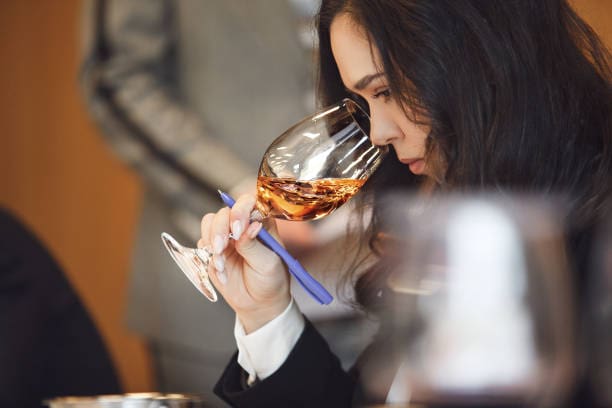
– Apply systematic wine tasting techniques to professionally evaluate wines, using sight, smell, taste, and touch to describe appearance, aromas, palate impressions, finish, quality level, and readiness for drinking.
– Demonstrate knowledge of general principles of wine and food pairing, including matching intensity, complementing or contrasting flavors, balancing textures, acidity, sweetness, tannins, and weight to enhance dining experiences in fine dining and luxury hospitality settings.
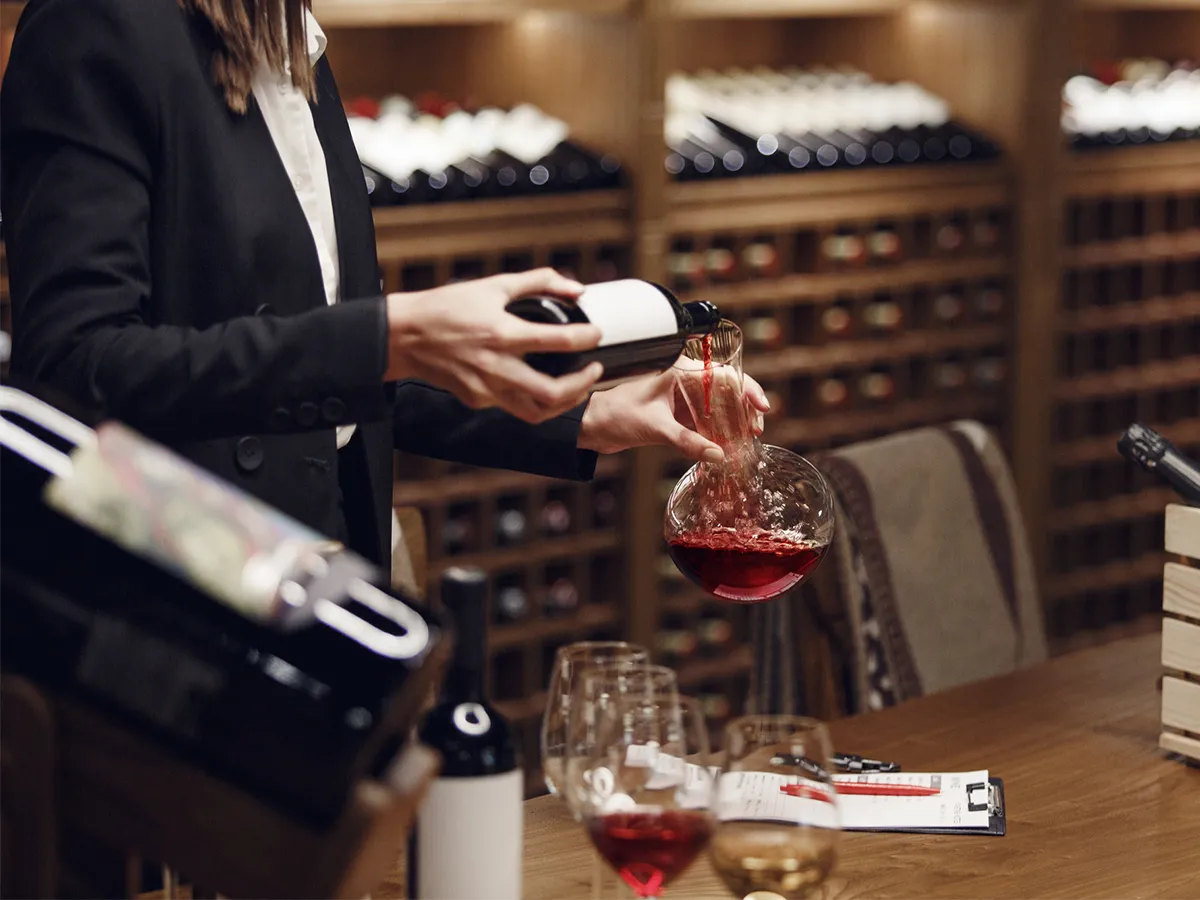
– Execute professional wine service protocols, including selecting appropriate glassware, opening bottles correctly, decanting when necessary, pouring techniques, serving temperatures for different styles, and storage best practices to preserve wine quality.
– Compare and contrast the distinctive regional characteristics, key grape varieties, terroir influences, classic wine styles, appellation systems, and signature producers of major French wine regions, including Bordeaux, Burgundy, Loire, Rhône Valley, Languedoc, Alsace, Champagne, Provence, Corsica, South West, Jura, and Savoie.
– Identify the defining features, principal grape varieties, production methods, classification systems, and iconic styles of key European (Old World) wine regions beyond France, such as Italy, Spain, Portugal, Germany, Austria, Greece, Switzerland, and Hungary.
– Describe the viticultural and winemaking approaches, climate adaptations, key grape varieties, and resulting wine styles in prominent New World wine regions, including Canada, USA, Mexico, Argentina, Chile, Australia, New Zealand, South Africa, Japan, and China.
– Explain the viticulture requirements and specialized production methods (e.g., traditional method, tank method, transfer method) for sparkling wines, and identify important geographical appellations and stylistic variations worldwide.
– Differentiate the production techniques, base wines, fortification processes, aging methods, and classic styles of fortified wines from key regions, including those of France, Portugal (Port), Jerez (Sherry), and Marsala.
– Apply advanced food and wine pairing principles through practical examples, recommending appropriate wines for a range of cuisines, ingredients, preparations, and dining scenarios to elevate guest experiences in professional hospitality environments.
– Apply advanced sommelier skills in diverse global settings, including wine list development, tableside communication, precise service, and tailored recommendations for local and international guests.
– Deliver confident storytelling and personalized engagement to enhance guest experience and increase wine sales value.
 – Analyze current global wine markets, including regulations, import/export flows, and key consumer trends.
 – Evaluate Old World strategies for maintaining leadership in the premium and luxury wine sectors.

Related Classes & Products

Other Courses & Products

FSS Sommelier Classes
Wine Tours
Wine Classes
Sake Classes
HORECA Training Programs
Wine & Accessories
Join Our Newsletter