Becoming a sommelier is more than simply “liking wine.” It involves a combination of deep knowledge, refined senses, service technique, and a strong understanding of food — to create memorable dining experiences.
At Wine & Spirit Academy (WSA Bangkok), we emphasize hands‑on learning, sensory training, and real‑world service skills. Our goal is to give you the confidence to taste, understand, pair, and serve wine professionally, whether for personal growth or a career in hospitality.
A solid foundation begins with knowledge. In our courses, you’ll learn to distinguish and understand:
This knowledge lets you evaluate wines with context and insight, a fundamental skill for any aspiring sommelier.
Good sommeliers don’t guess — they analyse. Our program teaches you how to taste wine systematically and professionally:
By the end, you develop a refined palate, a reliable tasting vocabulary, and confidence in describing and evaluating wines — whether you drink for pleasure or present wine to guests.
Pairing wine with food isn’t optional — it’s central to fine dining. A professional sommelier needs to:
Through pairing training at Wine & Spirit Academy (WSA Bangkok), you’ll build intuition for what wines match which foods — enabling you to recommend confidently, elevate meals, and enhance the overall dining experience.
At Wine & Spirit Academy (WSA Bangkok), we offer structured programs tailored to different levels of interest and ambition:
| Program Level | What You Will Learn |
|---|---|
| Foundation of Sommelier Skills — Basic (1 Day / 7 Hours) | Wine styles overview, basic tasting techniques, reading labels, introduction to wine–food pairing, wine service basics and proper storage. |
| Foundation of Sommelier Skills — Advanced (3 Days) | Broader tasting range, deeper study of global wine regions and styles, blind‑tasting practice, cellar management, advanced service techniques, refined pairing strategies. |
| Foundation of Sommelier Skills — Expert (5 Days) | For those aiming at hospitality careers: study of French global wine regions, mastering tasting, pairing, service, wine list curation, cellar management, guest service and wine program leadership. |
This path allows you to grow step by step — whether you want wine knowledge for personal enjoyment or to pursue a career in restaurants, hotels, or wine retail.
The role of a sommelier is deeply connected to the kitchen. In modern fine‑dining, sommeliers:
At Wine & Spirit Academy – WSA Bangkok we emphasize this collaboration: as a trained sommelier, you’ll learn not just to serve wine — but to be a vital contributor to the culinary team.
If you’re curious about wine, food, and fine dining — or looking to build a professional edge in hospitality — Wine & Spirit Academy (WSA Bangkok) is here to guide you.
Explore our sommelier training options and start your journey:
WSA Bangkok Sommelier Courses
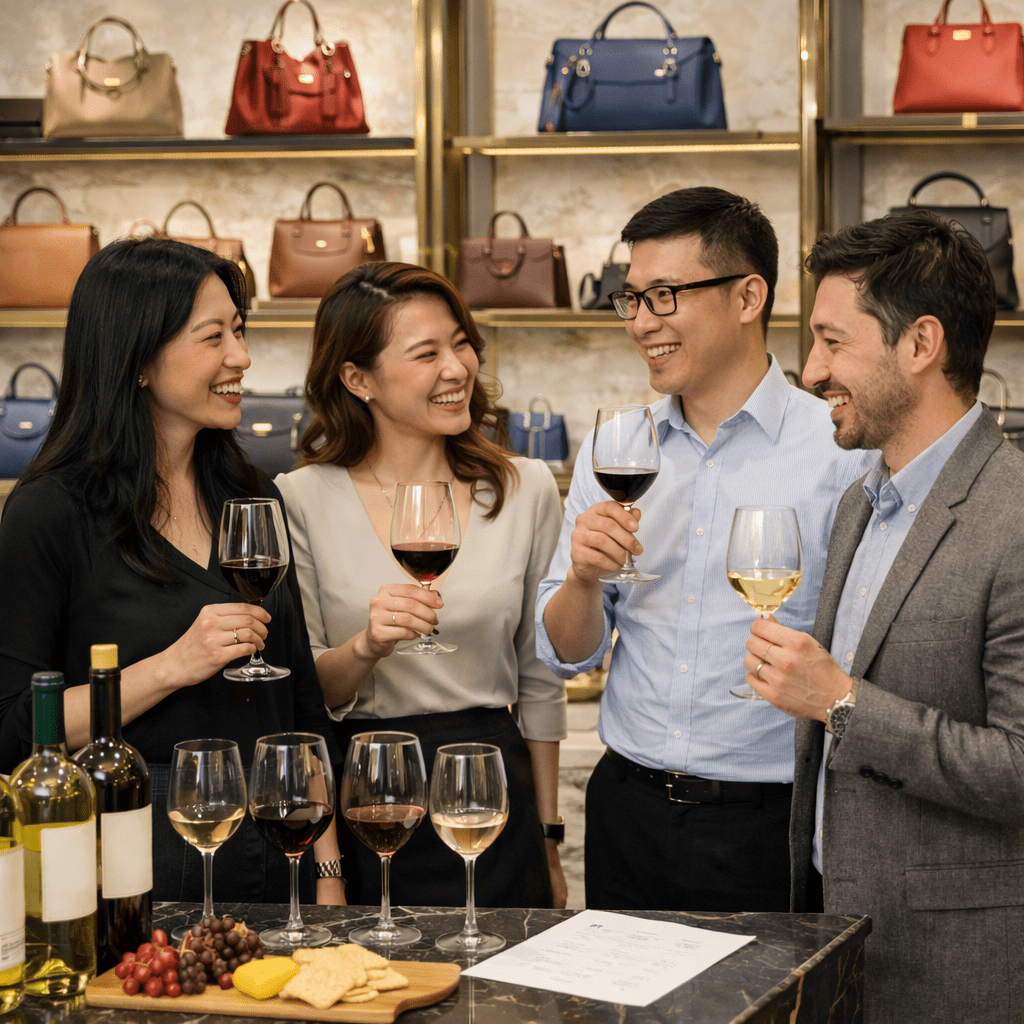
In Bangkok’s competitive business landscape, where relationships drive success, companies
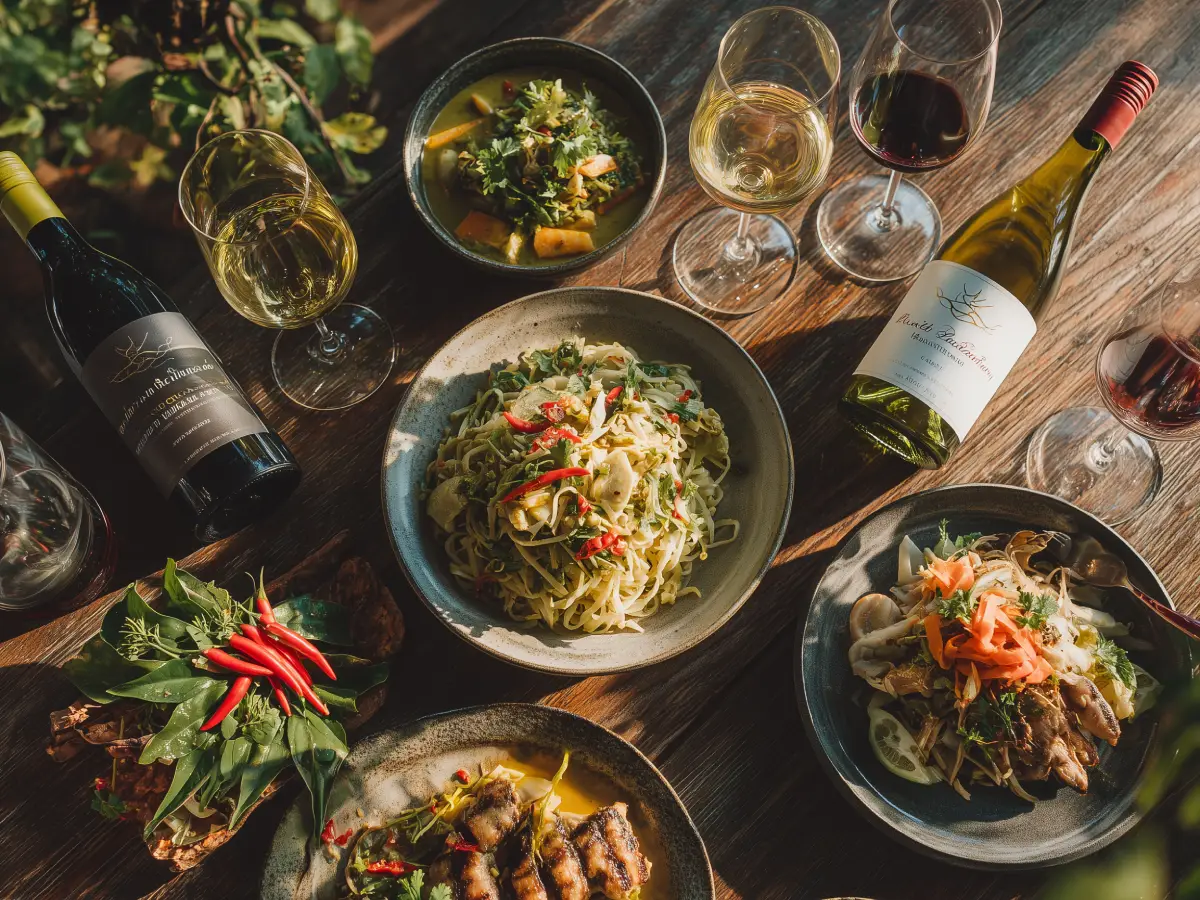
Thai cuisine is a vibrant symphony of flavors—spicy, sour, sweet,
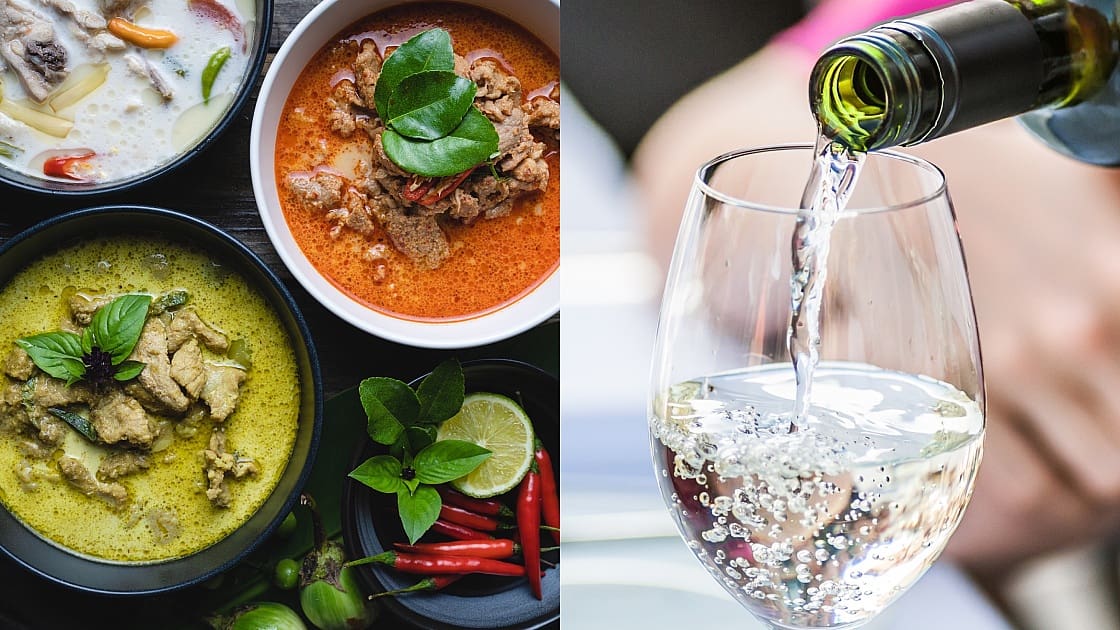
In the vibrant culinary landscape of Bangkok, where the tantalizing