
Thai cuisine is a vibrant symphony of flavors—spicy, sour, sweet, salty, and sometimes bitter—all coming together in dishes that tantalize the senses. From the bustling street markets of Bangkok to cozy home kitchens, Thai food has captured hearts worldwide. But what if you could elevate your next Thai meal with the perfect wine pairing, all while keeping things affordable? Welcome to “Pairing Express,” where we explore how to match five iconic Thai dishes with budget-friendly wines, each bottle costing less than 800 THB (about $22 USD). This guide is tailored for beginners seeking basic wine knowledge, offering simple tips on wine etiquette, pairing principles, and why these combinations work so well.
Whether you’re a novice wine enthusiast in Bangkok looking to impress at a dinner party or someone curious about blending Thai flavors with global wines, this article has you covered. We’ll dive deep into the history, ingredients, and cultural significance of five beloved Thai dishes: Pad Thai, Tom Yum Goong, Green Curry (Gaeng Keow Wan), Som Tum (Papaya Salad), and Massaman Curry. For each, we’ll suggest general pairing ideas based on expert recommendations, but leave space for you to insert your specific wine choices. Plus, we’ll include a handy table for quick reference and tips on where to learn more through beginner-friendly classes at the Wine & Spirit Academy.
By the end, you’ll have the confidence to experiment with affordable wines that enhance the bold, aromatic profiles of Thai food. Let’s uncork the possibilities!
Before we get to the dishes, let’s build some foundational knowledge. If you’re new to wine, don’t worry—wine pairing isn’t about snobbery; it’s about enhancing enjoyment. At its core, wine is fermented grape juice, but factors like grape variety, region, and production style create endless variations.
Key stats: According to wine experts, off-dry whites like Riesling are go-to for Thai food because their acidity cuts through richness, while a touch of sweetness counters heat. In Thailand, where wine imports are common, you can find bottles under 800 THB at stores like Wine Pro https://winepro.co.th/ , Vinum Lector https://vinumlector.com/ .
Wine pairing follows a few rules: Match intensity (light wine with light food), contrast flavors (sweet wine with spicy dishes), and consider regional vibes. For Thai food’s spice, opt for high-acidity, low-tannin wines. Experts note that sweetness tempers heat, while acidity cleanses the palate. In Bangkok’s humid climate, chilled whites shine.
Thai cuisine’s balance of flavors—lemongrass, galangal, chili, lime, and fish sauce—pairs surprisingly well with wine, despite myths that spice kills wine. As one sommelier puts it, “Riesling is the chorus to Thai harmony.” With wines under 800 THB, like a Chilean Sauvignon Blanc at around 500 THB, you can experiment without breaking the bank.
Now, let’s explore the dishes. Each section includes history, ingredients, preparation, variations, and why it pairs well with affordable wines.
Pad Thai, or “Thai stir-fry,” is perhaps the most famous Thai export, beloved for its harmonious blend of textures and tastes. This dish originated in the 1930s during a national campaign to promote Thai identity under Prime Minister Plaek Phibunsongkhram. Facing rice shortages, the government encouraged noodle-based meals, adapting Chinese influences into a uniquely Thai creation. Today, it’s a street food staple, symbolizing Thailand’s culinary ingenuity.
Pad Thai’s roots trace back to Chinese immigrants who brought noodle techniques to Thailand centuries ago. During World War II, it was promoted as a patriotic, affordable meal using local ingredients. CNN once ranked it fifth in the “World’s 50 Best Foods,” highlighting its global appeal. In Bangkok, vendors customize it with fresh toppings, making it a social, interactive eat.
Start by soaking noodles, then wok-fry garlic and shallots. Add proteins, scramble eggs, and toss in noodles with sauce. Finish with sprouts and peanuts for crunch. Variations include Pad Thai Jay (vegan, no fish sauce) or seafood-heavy versions in coastal areas. In northern Thailand, it’s milder; in the south, spicier.
Why does Pad Thai shine with wine? Its sweet-sour profile needs acidity to balance richness. Off-dry whites cut the tamarind tang, while light reds handle nutty notes.
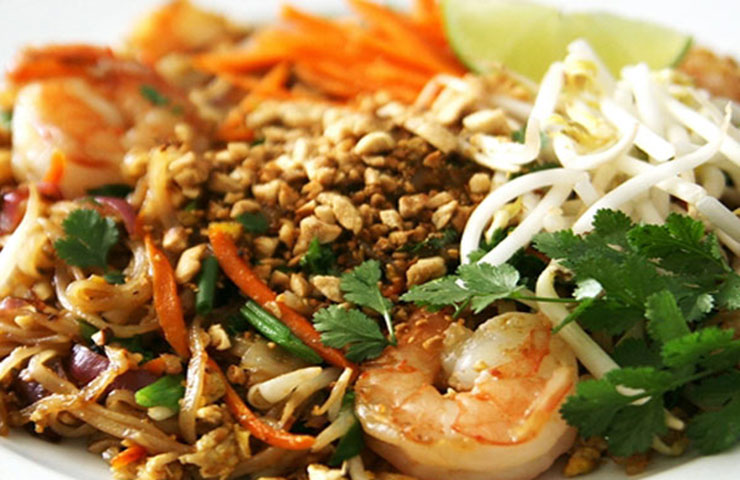
A favorite Thai stir fry noodle dish at home: Pad Thai Recipe
Wine Pairing Placeholder: Pair this with SELBACH OSTER Riesling Trocken wine under 800 THB, German Riesling which enhances the dish’s fruitiness.
Tom Yum Goong, meaning “spicy boiled shrimp,” is a hot-and-sour soup that’s a cornerstone of Thai cuisine. Ranked fourth in CNN’s “World’s 50 Best Foods,” it’s a testament to Thailand’s love for bold, aromatic broths. Originating from central Thailand, it evolved from ancient river-based cooking, incorporating influences from Laos and Cambodia.
Dating back to the Ayutthaya Kingdom (1351-1767), Tom Yum reflects Thailand’s trade history—lemongrass from India, chilies from the Americas via Portugal. It gained international fame in the 20th century through tourism. In Thai culture, it’s a comfort food, often served family-style to share warmth and spice.
Bruise herbs to release oils, boil with stock, add shrimp last to avoid overcooking. Creamy versions (Tom Yum Nam Kon) add coconut milk. Regional twists: Northern uses tamarind for extra sourness; southern amps up spice with bird’s eye chilies.
The soup’s intensity demands wines that refresh—high-acid whites tame the heat, per experts.
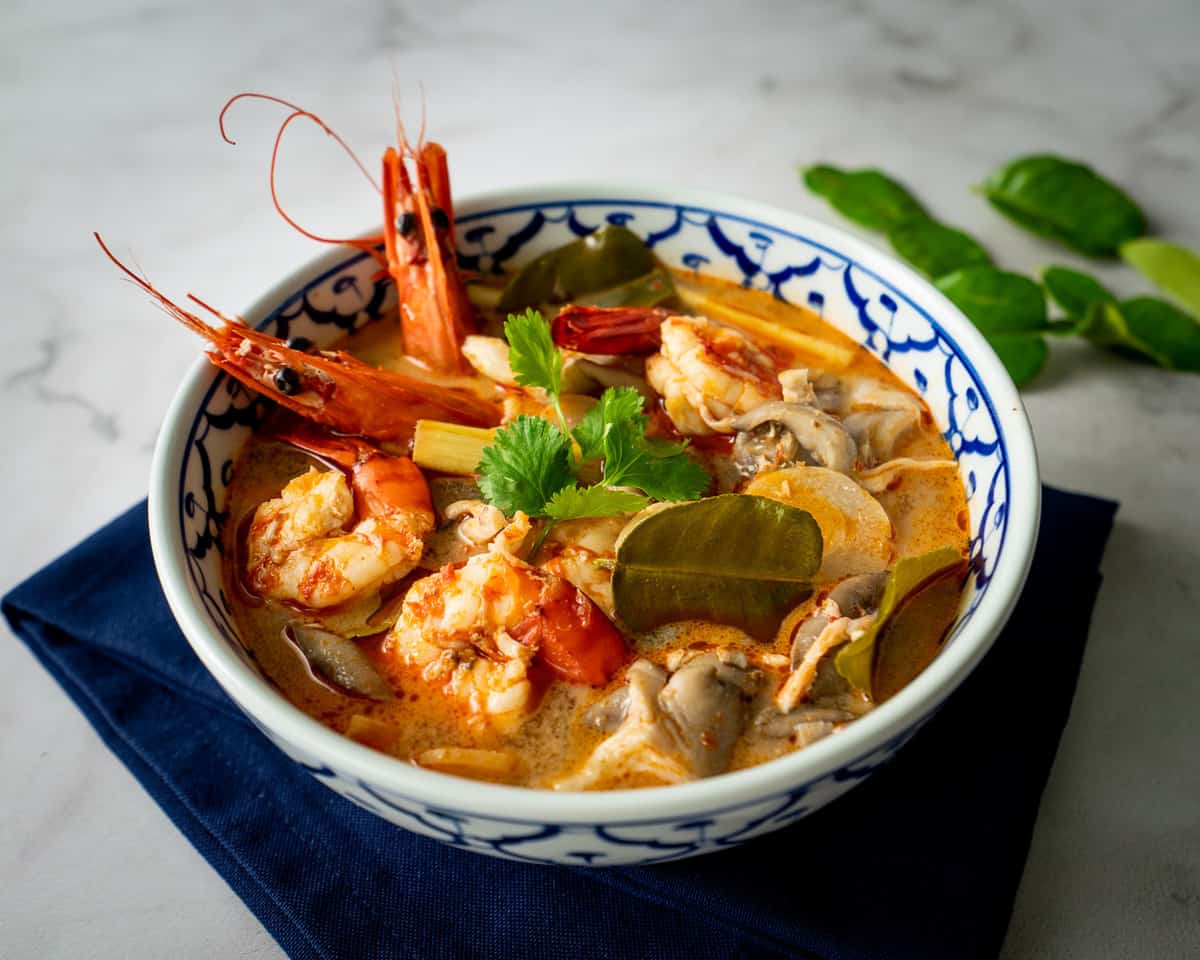
Thai Tom Yum Soup with Shrimp (tom yum goong)
Wine Pairing Placeholder: Pair this with RAPAURA SPRINGS Classic Marlborough wine under 600 THB, a Sauvignon Blanc for its herbal notes. General tip: Affordable options like Chilean Sauvignon at 400-600 THB match the citrusy zing.
Green Curry, or Gaeng Keow Wan (“sweet green curry”), is a creamy, spicy staple from central Thailand. Its vibrant color comes from fresh green chilies, and it’s less sweet than the name suggests— “wan” refers to the pale green hue.
Emerging in the 19th century during the Rattanakosin era, it blends Indian curry influences with Thai herbs. UNESCO recognizes Thai curries as intangible cultural heritage. It’s a festival favorite, symbolizing abundance.
Pound paste, fry in coconut cream, add meat and simmer. Veggie versions for vegans. Southern style is hotter; northern milder.
Creamy texture pairs with crisp whites to cut richness.
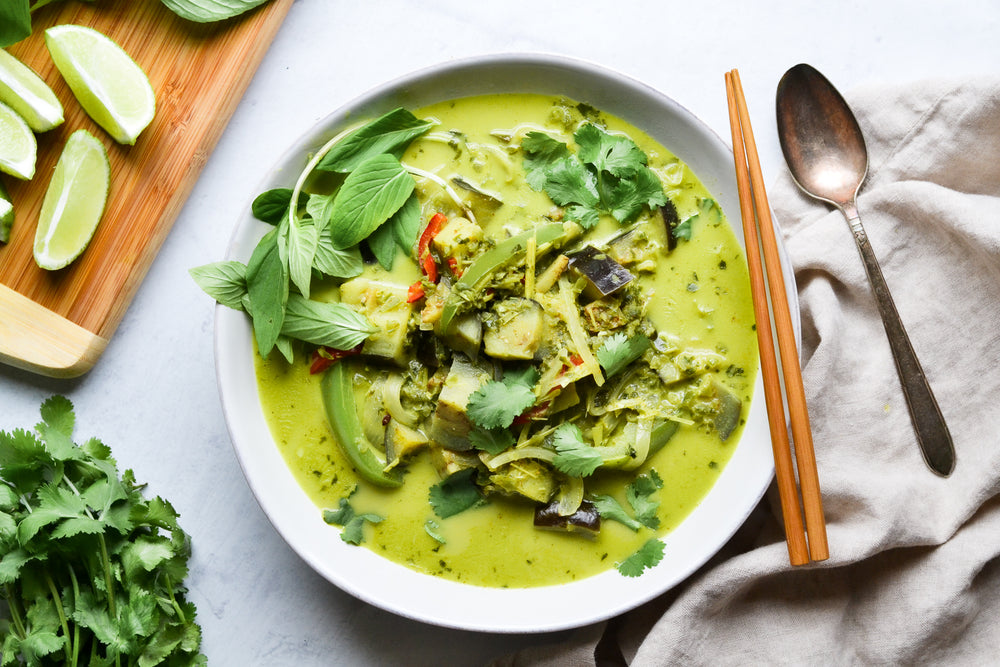
Thai Green Curry
Wine Pairing Placeholder: Pair this with IRONSTONE VINEYARDS Chardonnay Lodi – California balance the coconut. This wine is full body with high acidity, peach, pineapple, creamy flavors, vanilla and toasted notes will give more power taste to the green curry.
Som Tum, or “pounded sour,” is a refreshing salad from Isan (northeast Thailand), now popular nationwide. It’s pounded in a mortar, releasing juices for a tangy explosion.
Originating from Laos, it entered Thailand via migrants. Ranked sixth globally by CNN, it’s street food embodying Thai resourcefulness—using unripe papaya.
Pound garlic/chilies, mix with papaya, season. Add crab or fermented fish for authenticity.
Crunchy and spicy, it loves sweet wines.
:max_bytes(150000):strip_icc()/Som-Tam-Thai-Green-Papaya-Salad-FT-RECIPE0623-0aac2ca94446402eb4dcfd1f0628b91c.jpg)
Som Tam (Thai-Style Green Papaya Salad)
Wine Pairing Placeholder: Pair this with VOM HAUS Gruner Veltliner Austrian wine at 600 THB adds fizz and punchy to the freshness of the dish.
Massaman Curry, from southern Thailand, blends Muslim influences with Thai twists. CNN crowned it the world’s best food in 2011.
Introduced by Persian traders in the 17th century, “Massaman” derives from “Muslim.” It’s halal-friendly, reflecting Thailand’s diversity.
Slow-cook meat in paste, add coconut. Vegan with tofu.
Mild spice suits bolder wines.
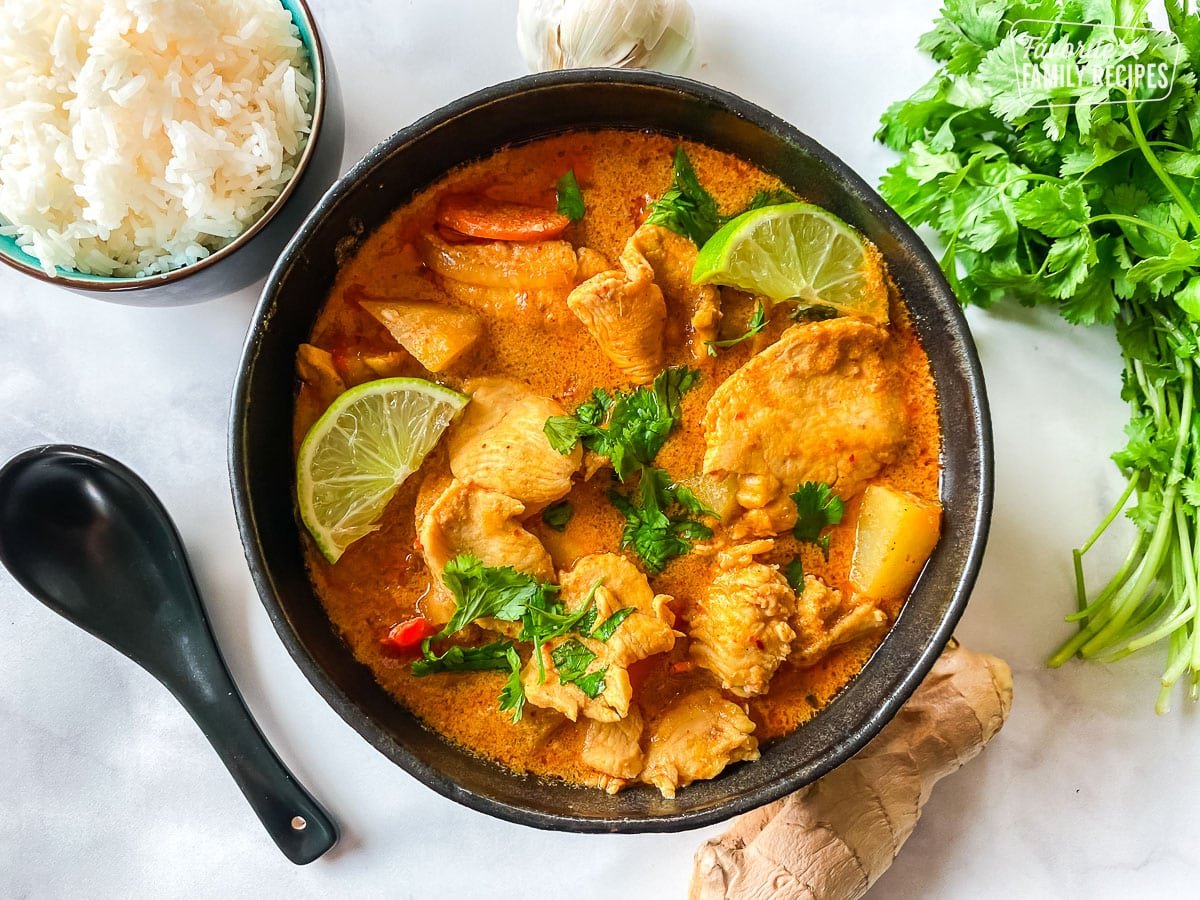
Chicken Massaman Curry
Wine Pairing Placeholder: Pair this with Endless Summer a Pinot Noir from France with medium body, flavors of Cherry, Raspberry some smocky, earthy and spices notes at 700 THB complement the nuts.
| Dish | Key Flavors | General Wine Style Suggestion | Placeholder for Your Wine (Under 800 THB) | Example Price Range in THB |
|---|---|---|---|---|
| Pad Thai | Sweet, sour, nutty | Off-dry to Dry white (Riesling Germany) | SELBACH OSTER Riesling Trocken | 790 |
| Tom Yum Goong | Spicy, sour, aromatic | Crisp white (Sauvignon Blanc) | RAPAURA SPRINGS Classic Marlborough | 600 |
| Green Curry | Creamy, spicy, herbal | Acidic, woody & creamy white ( Chardonnay USA) | IRONSTONE VINEYARDS Chardonnay | 650 |
| Som Tum | Tangy, crunchy, spicy | Zesty & mineral (Gruner Veltliner Austria) | VOM HAUS Gruner Veltliner | 590 |
| Massaman Curry | Rich, mild, nutty | Light red (Pinot Noir or Gamay from France) | Endless Summer Pinot Noir | 700 |
This table makes it easy to plan—total for five bottles? Under 4,000 THB!
If this sparks your interest in basic wine knowledge, consider the Wine & Spirit Academy in Bangkok. At Wine & Spirit Academy, we provide short wine classes for beginners, focusing on wine etiquettes & pairing and Ladies Social wine manner. https://wsa-bangkok.com/product/wine-etiquette-pairings/ , https://wsa-bangkok.com/product/ladies-social-wine-manner/
These sessions are perfect for those looking for basic wine knowledge, teaching how to swirl, sniff, and sip with confidence. Plus, explore the Foundation of Sommelier skills, https://wsa-bangkok.com/product/foundation-of-sommelier-skills-basic/, which focuses on basic knowledge with food pairing by tasting more than 10 wines in a day. You’ll learn to identify flavors, pair with dishes like Thai curries, and navigate affordable options—all in a fun, non-intimidating environment.
Classes cover etiquette (e.g., proper tasting), pairing tips (sweet with spicy), and hands-on tastings. Ideal for Bangkok locals or visitors seeking practical skills.
Pairing wine with Thai food under 800 THB per bottle is accessible and exciting. From Pad Thai’s streetside charm to Massaman’s rich heritage, these dishes offer endless opportunities. Start with basics, experiment, and visit Wine & Spirit Academy for deeper insights. Cheers to your next meal!
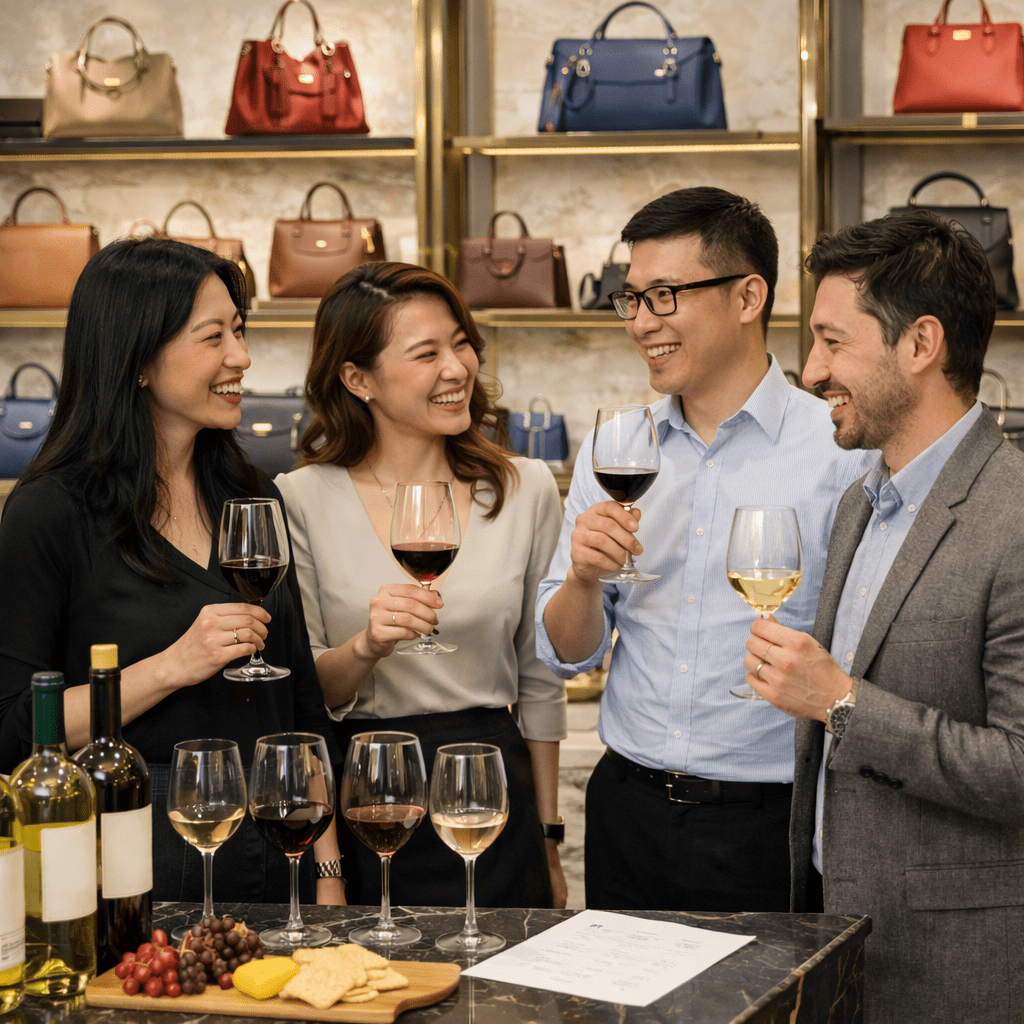
In Bangkok’s competitive business landscape, where relationships drive success, companies
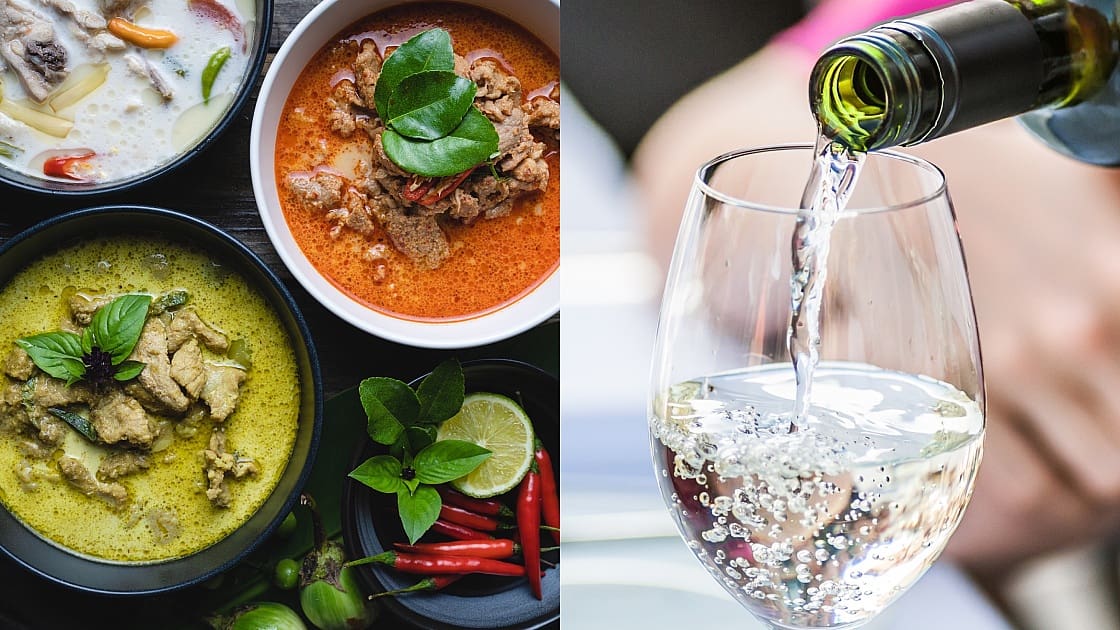
In the vibrant culinary landscape of Bangkok, where the tantalizing

Sommelier Class in Bangkok – Learn from Industry Experts If