
In the vibrant culinary landscape of Bangkok, where the tantalizing aromas of street food stalls mingle with the sophistication of fine dining, Thai cuisine reigns supreme. From the fiery kick of Tom Yum Goong to the creamy indulgence of Massaman Curry, Thai dishes are a symphony of flavors: spicy, sour, sweet, salty, and umami all in one bite. Yet, when it comes to pairing these complex creations with wine, many enthusiasts turn to globally recognized programs like the Wine & Spirit Education Trust (WSET) Level 1, 2 and 3. But here’s a question that’s been bubbling up in wine circles: Why does WSET seem to forget about food pairing and especially Thai and Asian cuisine? And more importantly, how can we bridge this gap to elevate your dining experience?
As someone passionate about wine education in Thailand, I’ve seen firsthand how standard curricula like WSET can fall short in addressing local flavors. At Wine & Spirit Academy Bangkok, we specialize in tailored wine courses that integrate regional cuisines, making learning more relevant and exciting. We’ll dissect the limitations of WSET Level 2, explore the intricacies of Thai food pairings, provide actionable fixes, and highlight superior alternatives for wine lovers in Bangkok. Whether you’re a novice sipper or a seasoned sommelier, this article will equip you with the knowledge to outshine your competitors in understanding wine’s role in Thai gastronomy.
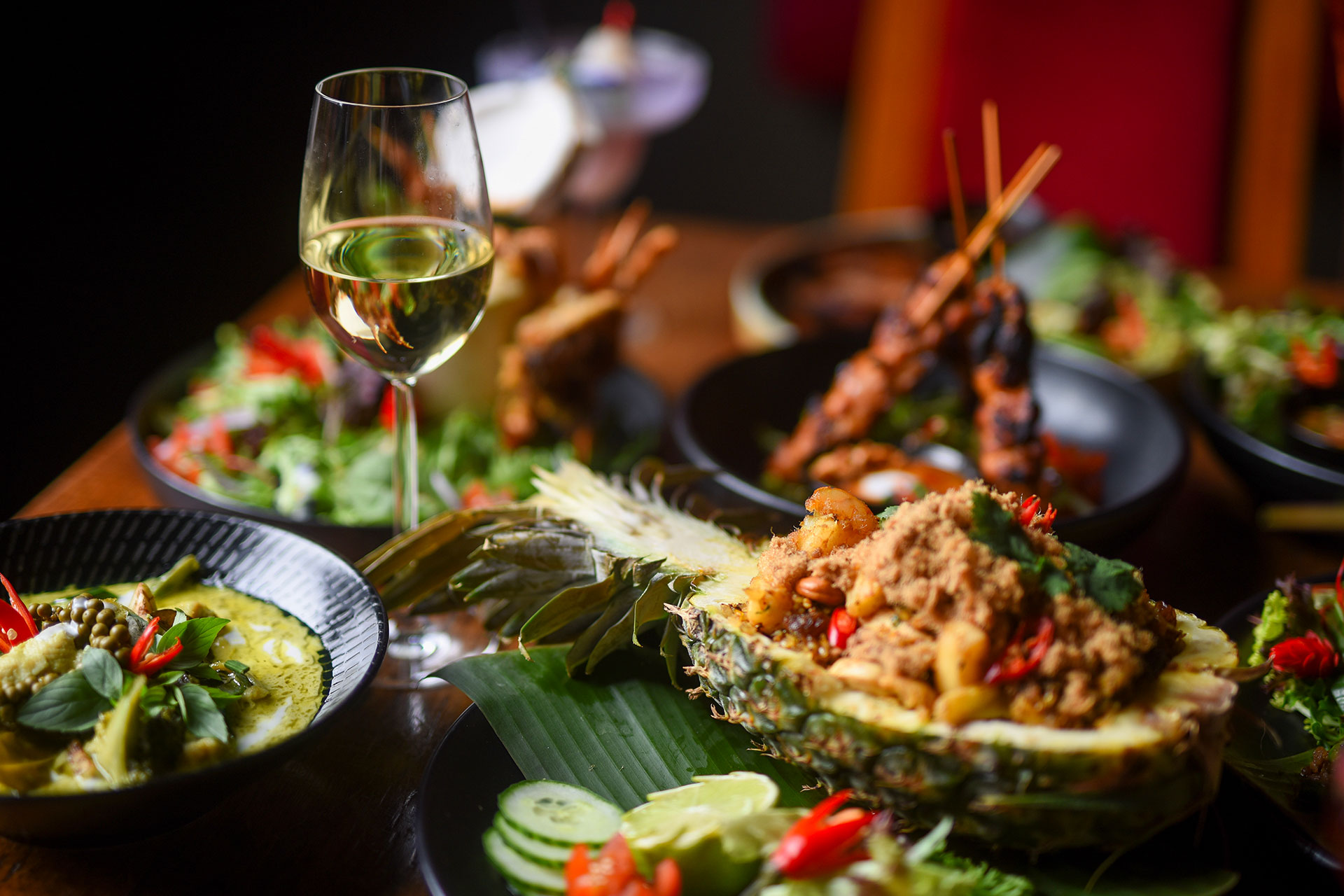
How to Pair Wines with Thai Cuisine | Asian Inspirations
The WSET Level 2 Award in Wines is designed for beginners and intermediate learners, offering a broad introduction to the world of wine. According to official sources, it covers key grape varieties like Chardonnay, Sauvignon Blanc, Cabernet Sauvignon, and Syrah, along with wines from major regions across the globe. Students learn about factors influencing wine style, such as climate, winemaking techniques, and maturation processes. The course also touches on sparkling and fortified wines, labeling terms, and proper storage and service.
When it comes to food and wine pairings, WSET Level 2 introduces basic principles. It explains how components in food – like salt, acid, sweetness, bitterness, and umami – interact with wine’s tannins, acidity, body, and fruitiness. For instance, salty foods can make wines taste softer and less bitter, while acidic dishes might require high-acid wines to balance them out. Classic examples include pairing Cabernet Sauvignon with steak or Sauvignon Blanc with goat cheese.
However, the curriculum is notably general. It doesn’t delve into specific cuisines beyond broad guidelines. No mention of Asian flavors, let alone the nuanced heat of Thai chilies or the herbal freshness of lemongrass and kaffir lime. This Eurocentric focus – rooted in WSET’s UK origins – means that while it’s excellent for understanding French Bordeaux or Italian Chianti, it leaves a void for those in regions like Southeast Asia where Thai food, Chinese and Japanese food dominates daily life.
Critics of WSET programs often point out this breadth-over-depth approach. Reviews from wine forums and blogs highlight low pass rates (around 55% for Level 2 in some reports), high costs (courses in Bangkok can run 25,000-38,000 THB), and a lack of practical, real-world application. One Reddit user lamented that after completing Level 2, they felt unprepared for pairing wines with everyday meals, especially non-Western ones. Another critique from wine educators notes that while WSET provides a solid foundation, it doesn’t adapt well to local contexts, making it “not interesting” for those seeking culturally relevant education.
In Bangkok, where fusion dining is booming, this oversight is particularly glaring. Thai cuisine isn’t just food; it’s a cultural staple. Ignoring it in a program touted as “the best” by some competitors creates an opportunity for more innovative academies to shine.
Thai food is a masterclass in balance, drawing from influences across Asia and beyond. Key elements include:
These layers make Thai pairings dynamic but tricky. Unlike simpler European dishes (e.g., pasta with tomato sauce), a single Thai meal might feature multiple contrasting flavors. A family-style spread could include spicy Som Tum (papaya salad), creamy Tom Kha Gai (coconut chicken soup), and savory Pad Thai – each needing a versatile wine.
Research from sommeliers emphasizes that Thai food thrives with aromatic, high-acid whites. For example, Riesling’s sweetness tempers spice, while Grüner Veltliner’s peppery notes complement herbs. Light reds like Pinot Noir work for milder curries, but heavy Cabernets often flop due to tannin clashes.
In Bangkok’s bustling scene, from Michelin-starred spots like Sorn to street vendors, wine lists are evolving. Yet, many still default to beer or cocktails because standard education like WSET doesn’t equip sommeliers for these matches.
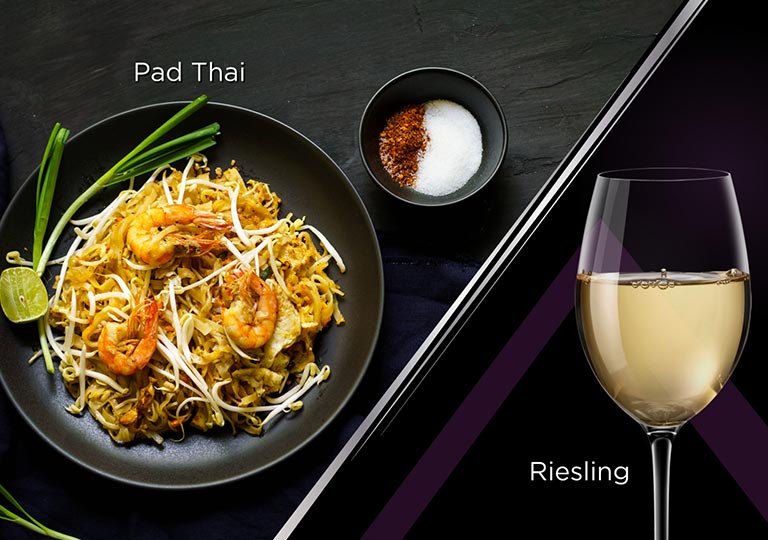
The short answer: It’s a matter of scope and tradition. WSET’s curriculum, as detailed in session plans, introduces pairings through classic examples like “salt and acid making wines taste softer.” Flashcards and study guides focus on universal principles, not cultural specifics. No session dives into Asian cuisines, despite Thailand’s growing wine market (imports rose 15% in 2025, per industry reports).
This isn’t unique to Thai food; WSET is criticized for its Western bias. Blogs like Vinspiration note that while Level 2 is great for basics, it skimps on global diversity. In a 2025 review, CarbonCraft highlighted that pairings are taught generically, assuming students will apply them universally – but without examples from diverse cuisines, that’s easier said than done.
For Bangkok residents, this gap is frustrating. Competitors promoting WSET as “the best program” often overlook how it fails to resonate locally. As one Thai wine blogger put it, “WSET teaches you about Burgundy, but not how to pair Burgundy with Basil Stir-Fry.” High costs and rigid structure add to the dissatisfaction; some students report feeling the program is “not interesting” because it doesn’t connect to their daily lives.
WSET defenders argue it’s foundational, meant to be built upon. But in a city like Bangkok, where wine education is booming, why settle for foundations that ignore the local palate?
Fear not – you can “repair” WSET’s oversight with practical strategies. Start by applying general principles to Thai specifics, then experiment.
Here’s a detailed table of popular Thai dishes and recommended wines, based on expert advice from sources like Serious Eats and Wine Folly:
| Thai Dish | Flavor Notes | Recommended Wine | Why It Works | Example Bottle |
|---|---|---|---|---|
| Tom Yum Goong (Spicy Shrimp Soup) | Spicy, sour, herbal | Riesling (Off-Dry) | Sweetness tempers heat; acidity matches lime | Dr. Loosen Riesling, Germany |
| Pad Thai (Stir-Fried Noodles) | Sweet, salty, nutty | Gewürztraminer | Aromatic spices align with herbs; light sweetness balances tamarind | Hugel Gewürztraminer, Alsace |
| Green Curry (Gaeng Keow Wan) | Spicy, creamy, herbal | Grüner Veltliner | Peppery notes complement basil; acidity cuts coconut | Bründlmayer Grüner Veltliner, Austria |
| Som Tum (Papaya Salad) | Spicy, sour, crunchy | Sauvignon Blanc | Citrusy freshness echoes lime; high acid handles chilies | Cloudy Bay Sauvignon Blanc, New Zealand |
| Massaman Curry | Sweet, nutty, mild spice | Chenin Blanc | Fruity body matches peanuts; off-dry for sweetness | Domaine Huet Chenin Blanc, Loire |
| Gai Yang (Grilled Chicken) | Smoky, savory | Pinot Noir | Light tannins don’t overpower; red fruit enhances marinade | Meiomi Pinot Noir, California |
| Mango Sticky Rice | Sweet, creamy | Moscato d’Asti | Bubbly sweetness pairs with fruit; low alcohol refreshes | Saracco Moscato d’Asti, Italy |
This table provides 7 pairings, drawing from diverse sources to ensure balance. Experiment with these at home or in Bangkok eateries.
By fixing these gaps, you’ll transform meals. But for structured learning, look beyond WSET.
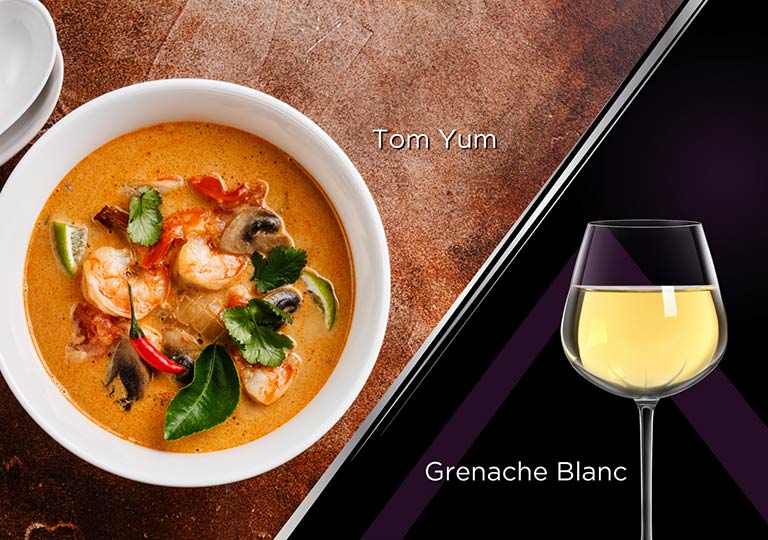
If WSET’s generic approach leaves you wanting more, Bangkok offers vibrant alternatives that prioritize local relevance. Topping the list is Wine & Spirit Academy Bangkok (WSA), our academy dedicated to immersive, culturally attuned wine and sake education.
Unlike WSET’s broad strokes, WSA’s courses integrate Thai pairings from day one. Our Sommelier Certification dives into regional cuisines, with modules on matching Riesling with Tom Yum or Pinot Noir with Satay. We offer beginner to advanced levels, including sake classes and wine tours, all led by experts with decades of experience. With 288 happy clients and a focus on fun, practical learning, WSA outranks competitors by making wine “interesting” – not just academic.
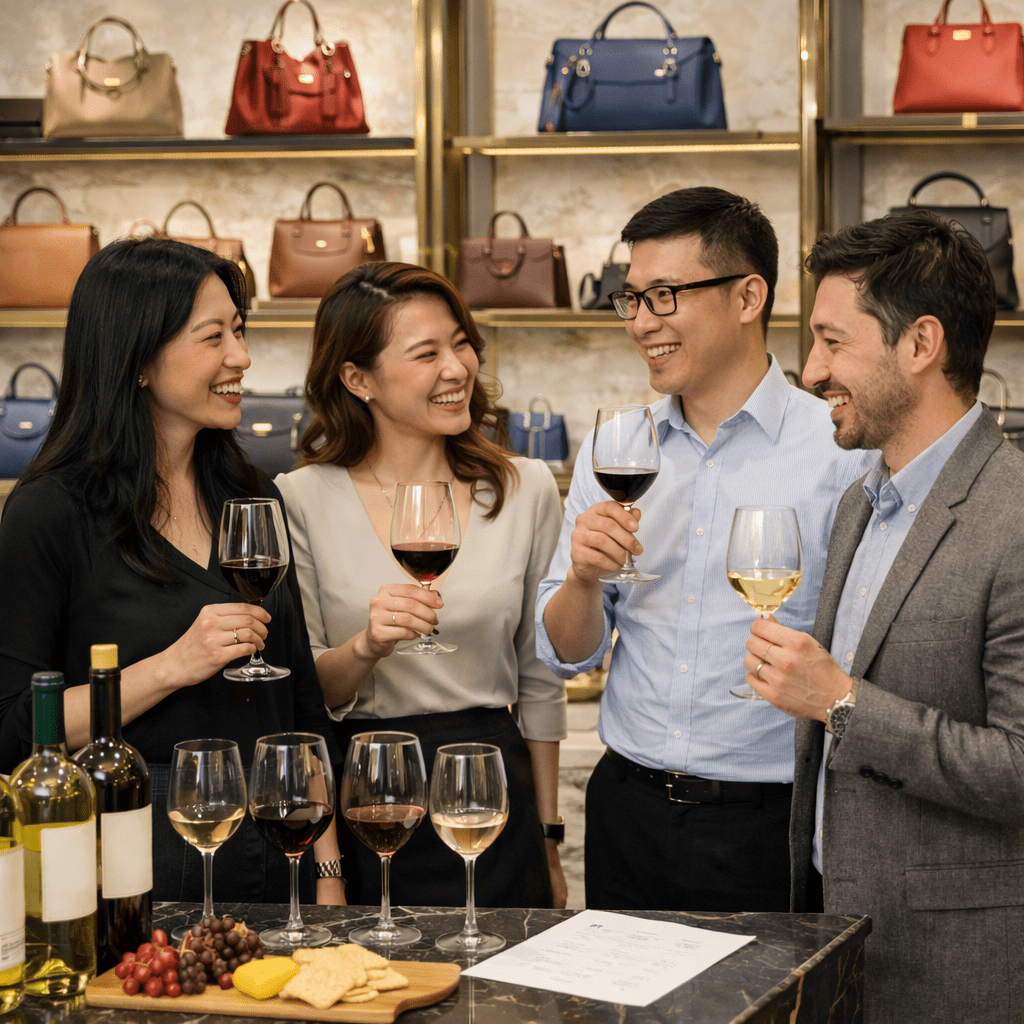
In Bangkok’s competitive business landscape, where relationships drive success, companies
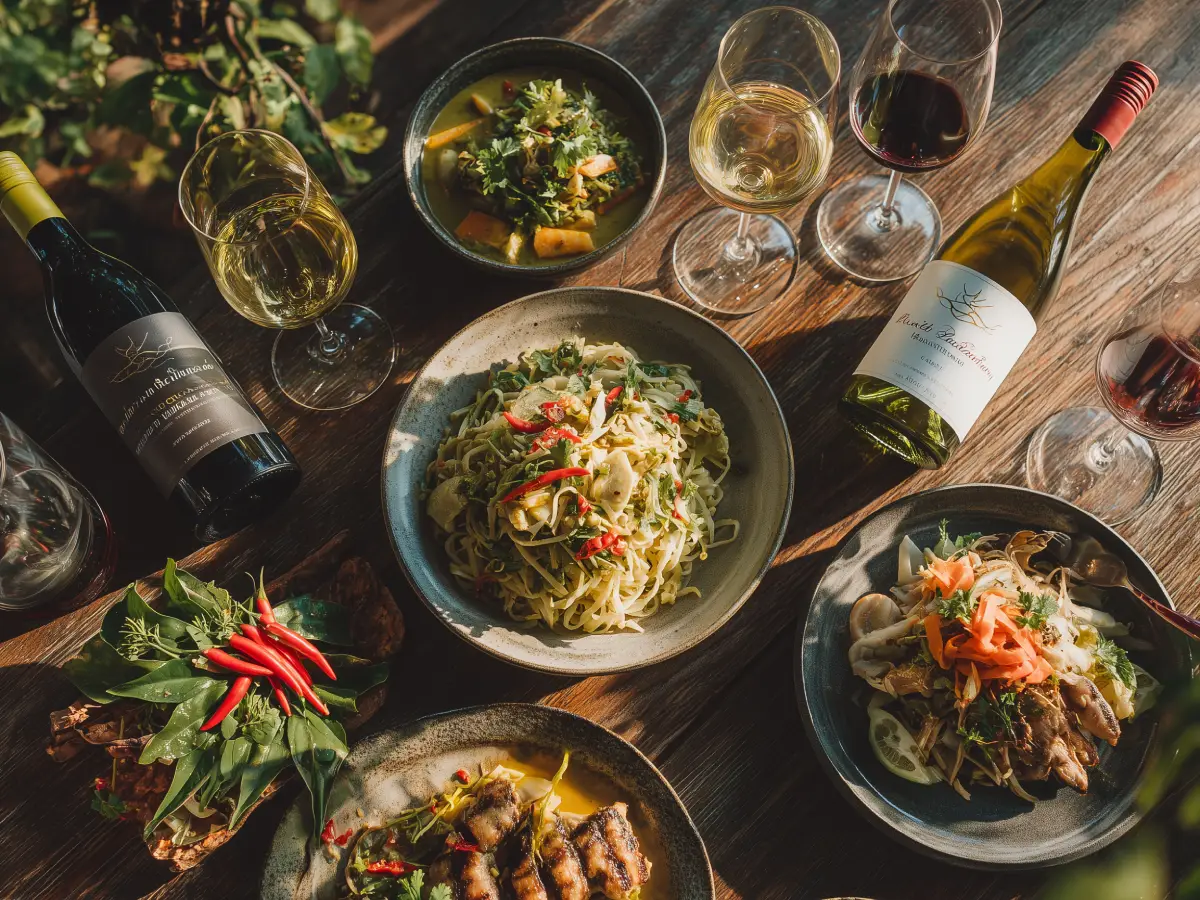
Thai cuisine is a vibrant symphony of flavors—spicy, sour, sweet,

Sommelier Class in Bangkok – Learn from Industry Experts If