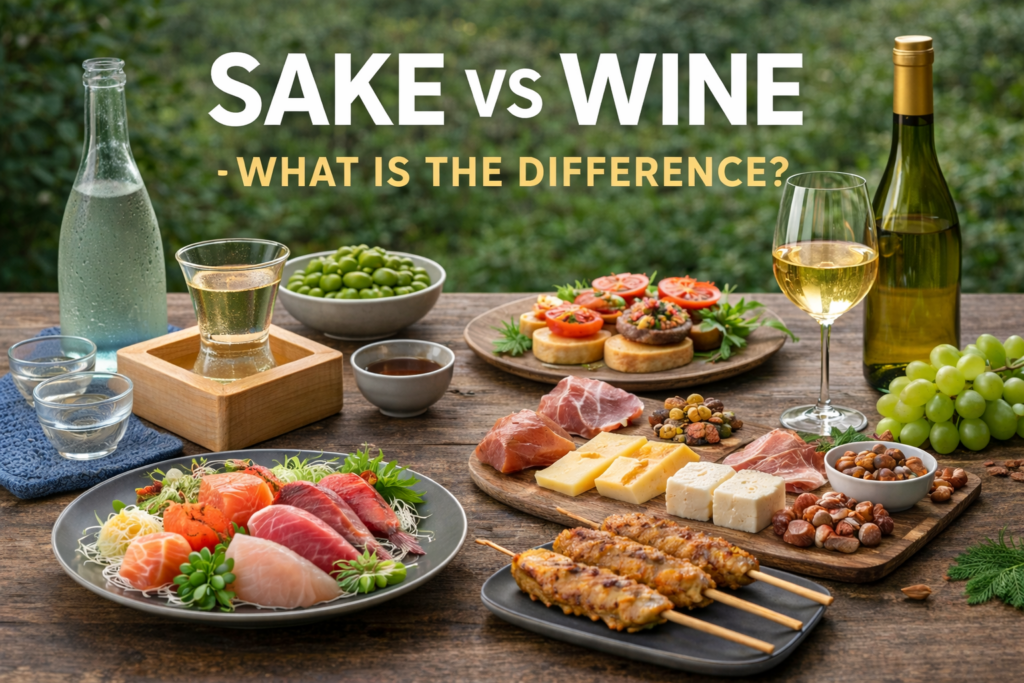
Are you curious about the world of Japanese sake and how it stacks up against traditional wine? Whether you’re a wine lover exploring new horizons or someone searching for the best sake class Bangkok or sake class Thailand, this in-depth comparison will reveal everything you need to know. From production secrets to food pairing magic, we’ll break down why sake and wine are fundamentally different beverages — and why mastering sake knowledge can open doors to incredible tasting experiences right here in Thailand.
Sake, often called “nihonshu,” is Japan’s iconic brewed rice beverage. Wine, on the other hand, is the fermented juice of grapes. But the differences go far deeper than ingredients. In this learning topic you’ll discover why terroir barely influences sake style (except for water), how rice varieties are human-engineered masterpieces, and why sake pairs brilliantly with cheese, fish, Thai food, and Italian cuisine.
If you’re in Bangkok or Thailand and want hands-on expertise, the Wine Spirit Academy (WSA) offers the top sake classes in Bangkok and short class sake Bangkok options. Conducted by Anthony Caradec (WSET Level 3 and Master of Sake in Japan), their programs — Fundamentals of Sake Knowledge, Sake Studies Basic, and Sake Studies Advanced — deliver professional-level training and a pathway to sake sommelier certificate recognition.
https://wsa-bangkok.com/services/sake-classes/.
Wine begins with grapes — a fruit loaded with natural sugars. Yeast ferments those sugars directly into alcohol in a single-step process. Vintage variation is huge because weather, soil, and climate (terroir) dictate the grapes’ ripeness, acidity, and flavor compounds each year.
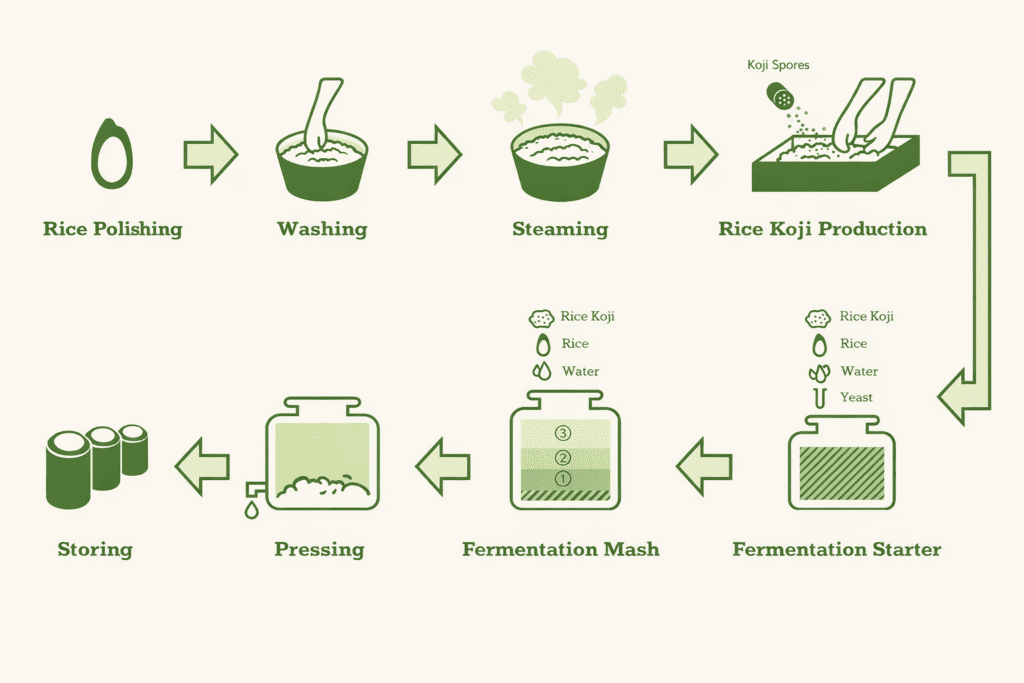
Sake starts with rice — a starch-heavy grain. No natural sugars exist, so brewers use koji mold (Aspergillus oryzae) to convert starches into sugars while yeast ferments them simultaneously in a unique “multiple parallel fermentation.” This allows sake to reach higher alcohol levels (up to 20% ABV before dilution) than most wines, yet the final product is often lighter and more delicate.
This single difference already sets sake apart: consistency. A top Daiginjo sake from the same brewery tastes nearly identical year after year, unlike wine where a 2023 vintage can differ dramatically from 2022. That’s why basic knowledge about sake starts with understanding human control over the process rather than nature’s whims.
Here’s the biggest mind-blower for wine lovers searching sake class Bangkok: terroir does not define sake the way it defines wine.
In wine, soil type (limestone vs clay), climate (cool Burgundy vs sunny Napa), elevation, and sunlight create unmistakable regional signatures. A Pinot Noir from Burgundy screams earth and red cherry; the same grape in California screams ripe strawberry and jam. Vintage variation is celebrated.
Sake? Terroir plays a minor role. Rice is grown across Japan but often shipped nationwide — Yamada Nishiki from Hyogo Prefecture ends up in Hokkaido breweries. Climate affects rice yield slightly, but polishing removes most outer layers anyway. Local traditions and water matter most.
Water is the exception. Soft water (low minerals) produces softer, cleaner sake; hard water adds minerality and structure. That’s why regions like Nada (famous hard water) or Fushimi (soft water) have historic reputations — but even then, the Toji (master brewer) overrides nature with technique.
Japan’s Geographical Indications (GI) system recognizes regional sake (e.g., Yamagata GI, Hakusan GI), but these certify origin and traditional methods rather than “terroir-driven flavor” like Bordeaux AOC. Brewers can still import rice or tweak recipes. Result? Sake styles are far more consistent and brewer-driven than wine.
This is a core lesson in every sake studies basic class at WSA Bangkok: wine is nature’s child; sake is the craftsman’s masterpiece.
Grapes are ancient. Cabernet Sauvignon, Chardonnay, and Pinot Noir evolved naturally over millennia with distinct DNA. Cross-breeding is recent and regulated. Each variety carries unique aromas: Cabernet’s blackcurrant, Riesling’s petrol notes.
Sake rice (shuzo-kotekimai) is the opposite. Table rice won’t work — too much protein and fat. Brewers need varieties with large “shinpaku” (white starch core), low lipids/proteins, and grains that polish cleanly without shattering.
Enter human ingenuity. Japan’s government breeding program began in the late 1800s. Key milestone: Yamada Nishiki, the “king of sake rice.”
Other stars: Gohyakumangoku (queen, developed 1957, cold-climate friendly), Miyamanishiki, Omachi (heirloom ancestor). These were cross-bred over decades specifically to match regional brewing needs and international export markets. Brewers demand higher polishing tolerance and flavor neutrality so the Toji’s style shines.
This engineered flexibility is why short courses sake Bangkok emphasize rice selection — you learn how modern breeding freed sake from strict terroir, unlike wine’s DNA-locked varieties.
Wine yeast (various Saccharomyces cerevisiae strains) works at warmer temperatures and focuses on fruit-forward esters. Some add buttery diacetyl; others tropical notes.
Sake yeast is specialized. Traditional strains (Kyokai #7, #9, #1801) ferment at colder temperatures (often 10-15°C) for slower, cleaner results. They produce ginjo-ka aromas: banana, apple, pear, melon. #9 (Kumamoto) excels in aromatic daiginjo; #7 is reliable for junmai.
Sake yeast also interacts with koji enzymes in parallel fermentation — something wine yeast never does. Some experimental brewers use wine yeast for higher acidity, but classic sake yeast keeps the signature umami and lightness.
In WSA’s sake studies advanced program, students blind-taste sake made with different yeasts to understand aroma impact — a skill that elevates you toward sake sommelier certificate level.
This is where sake becomes truly customizable — and why the brewer, not the vineyard, defines the product.
Polishing (Seimaibuai): Rice is milled to remove 30-70% of outer layers. 70%+ remaining = junmai (rich umami); 50% = ginjo (fruity); 35% = daiginjo (elegant). No equivalent in wine.
Fermentation: Sandan shikomi (three-stage addition) + parallel saccharification/fermentation over 18-35 days at low temps.
Filtration and pressing: Various methods (yabuta, fune, drip) plus optional pasteurization create styles from cloudy nigori to crystal-clear.
Toji control + GI: The master brewer decides everything. GI rules might mandate local water or traditional yeast, but polishing ratio and recipe tweaks let one brewery produce 20+ styles. This flexibility is taught in every sake pairing class and short class sake Bangkok.
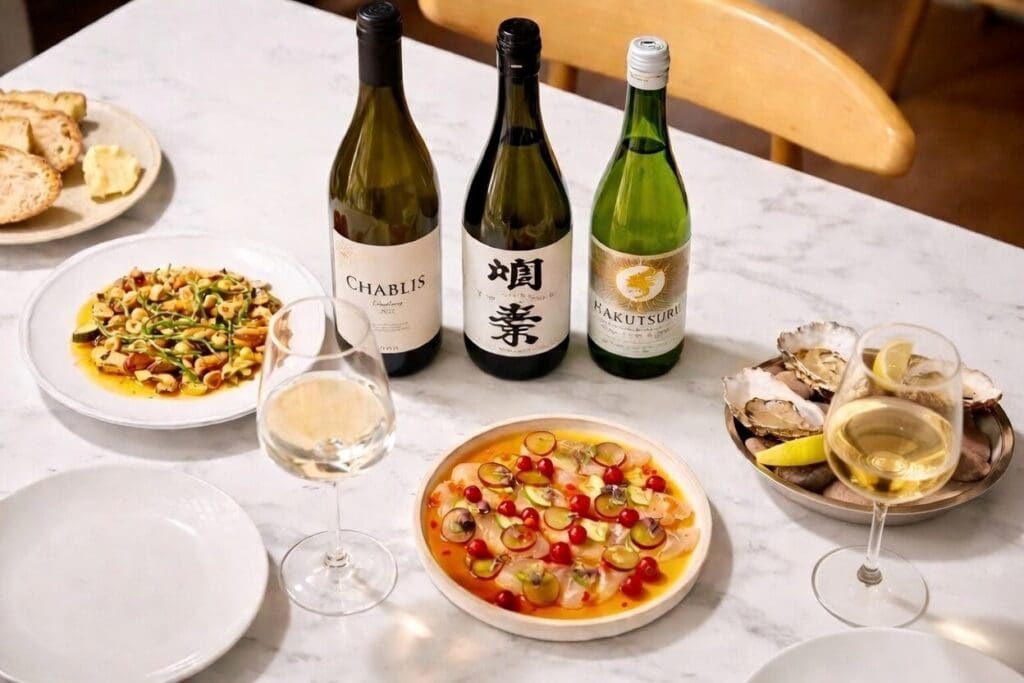
Sake’s lower acidity, higher umami (glutamic acid), and subtle sweetness make it the ultimate food chameleon.
Cheese: Sake + cheese is legendary. Light junmai ginjo with mild goat cheese; rich junmai daiginjo with blue cheese or aged cheddar. The amino acids cut through fat perfectly — many sommeliers call it better than wine pairings.
Fish & Seafood: Umami synergy. Succinic acid in both sake and shellfish creates magic. Grilled salmon, oysters, tuna sashimi — even fried fish.
Thai Food: Spicy Thai curries, tom yum, pad thai? Fruity ginjo or nigori sake balances heat beautifully. Sweetness tames chili; umami complements coconut milk. Thai restaurants in Bangkok now feature sake lists thanks to growing demand.
Italian Cuisine: Pizza margherita with light sake? Carbonara with creamy junmai? Sake’s clean finish refreshes richer Italian dishes where tannic red wine can clash.
In WSA’s dedicated sake pairing class (part of Basic and Advanced programs), you taste 8+ pairings live — including Thai street food and Italian antipasti — to master this versatility. Perfect for foodies seeking sake class Thailand.
You’ve read the theory. Now turn it into expertise with Thailand’s premier sake education.
Wine Spirit Academy (WSA) Bangkok stands out for sake class Bangkok, short courses sake Bangkok, and professional certification pathways. Located centrally, their hands-on sessions fit busy schedules.
Fundamentals of Sake Knowledge (short introductory class): Unlock the world of sake. Discover the essentials in just 2 hours—brewing, categories, styles, tasting with food pairings. Taste 4 Different sake paired with food. Perfect “short class sake Bangkok” entry point. https://wsa-bangkok.com/product/sake-fundamentals-course/
Sake Studies Basic: a comprehensive 1-day course designed to build a strong foundation in sake knowledge. You’ll explore the fundamentals of sake production, styles, and service, gaining practical skills to apply in both professional settings and personal pursuits. Whether you work in a restaurant, bar, or hospitality environment—or are simply a sake enthusiast—this engaging program will enhance your ability to confidently talk about, serve, pair, and appreciate sake, elevating both your offerings and your overall sake experience. You will taste 10 Sake during this session.
https://wsa-bangkok.com/product/sake-studies-basic/
Sake Studies Advanced: Professional level — The Sake Studies Advanced Program is an intensive 3-day course designed for those seeking a deeper, more practical understanding of the world of sake. Building on foundational knowledge, this program explores advanced brewing methods, regional distinctions, professional tasting techniques, and complex food pairing strategies. Ideal for those pursuing a career in the alcoholic beverage industry, working in hospitality, or dedicated enthusiasts, this course equips participants with the expertise and confidence to engage with sake at a professional level.. Conducted by Anthony Caradec — WSET Level 3 Award holder and certified Master of Sake in Japan with 18+ years in the industry. https://wsa-bangkok.com/product/sake-studies-advanced/
Why WSA (Wine & Spirit Academy)?
Students rave about transforming from “I like sake” to confidently ordering and pairing in any restaurant. Whether you want basic knowledge about sake or full sommelier skills, WSA delivers.
Ready to book? Visit the official page for schedules and enrollment: https://wsa-bangkok.com/services/sake-classes/

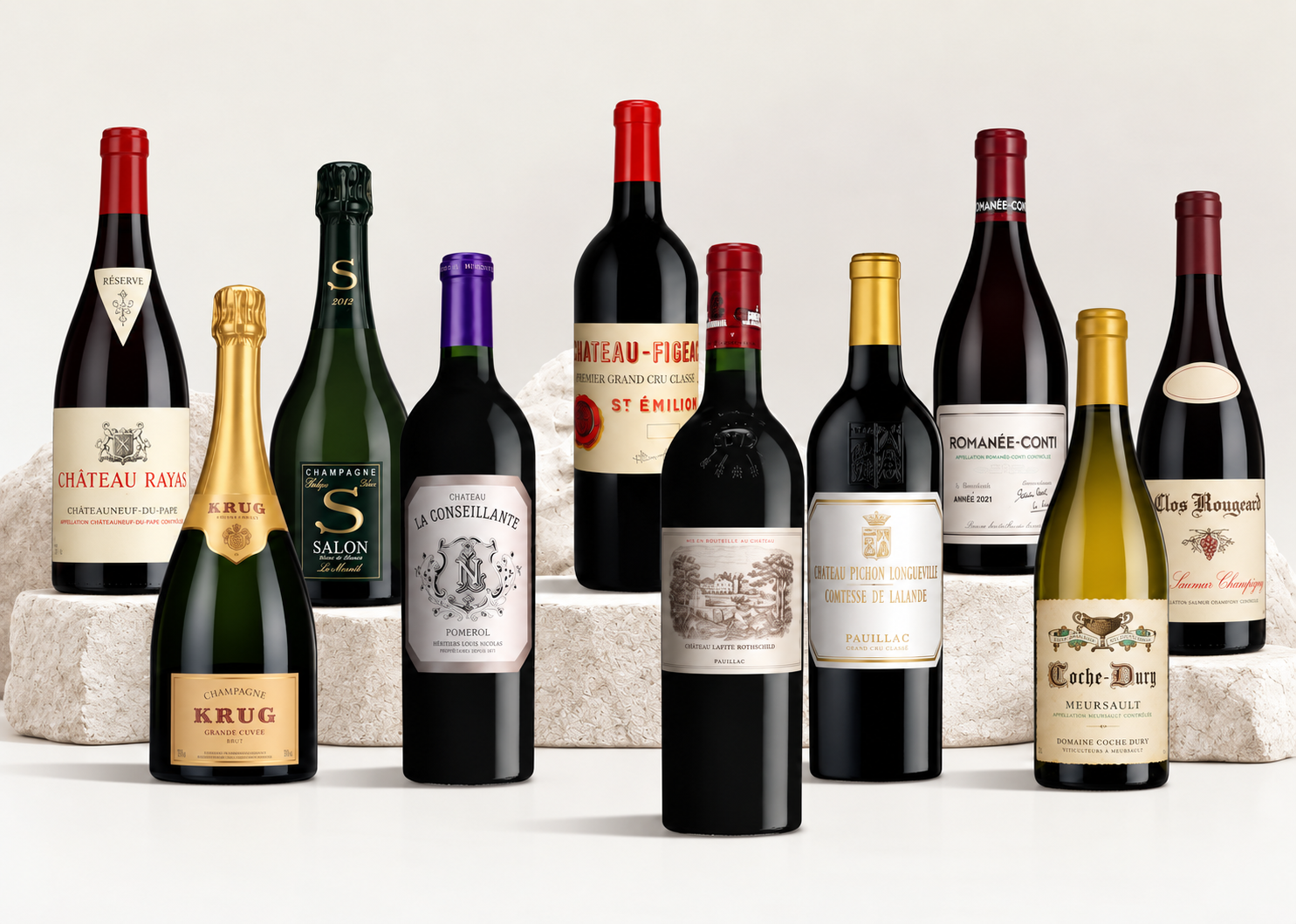
Most people who say they find French wine intimidating are
On 8 September 2026, at the Cité du Vin in
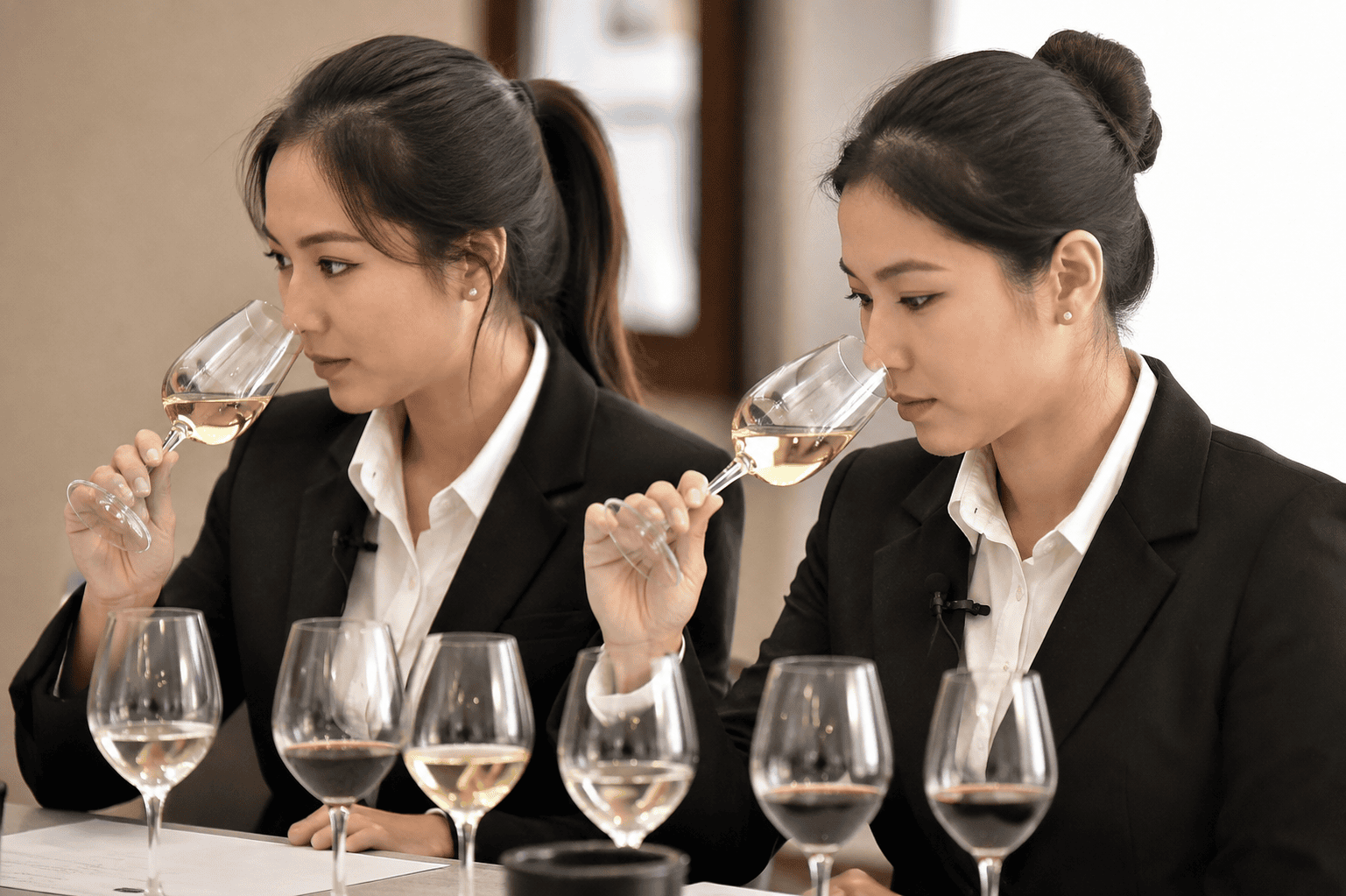
The most complete certified wine program in Bangkok is the