On 8 September 2026, at the Cité du Vin in Bordeaux, the MICHELIN Guide unveiled its second-ever Grappe Selection: 83 Bordeaux estates selected, 62 of them awarded 1, 2 or 3 Grappes, and only 9 given the top three-grape distinction — Yquem, Lafite Rothschild, Montrose, Léoville Las Cases, Cheval Blanc, Figeac, Petrus, Lafleur and La Conseillante.
If you are new to this award, we covered the system itself in detail in our earlier piece on what the Michelin Grappes are and how they are judged, which also carries the complete Burgundy list from July. This article does something different: it gives you the Bordeaux results in full, and — more useful — it explains how to read them against the classifications Bordeaux already has.
Because that is the real story here. Burgundy had no competing ranking. Bordeaux has been ranked since 1855.
The top tier went to nine estates, split almost evenly between the Left Bank, the Right Bank and Sauternes.
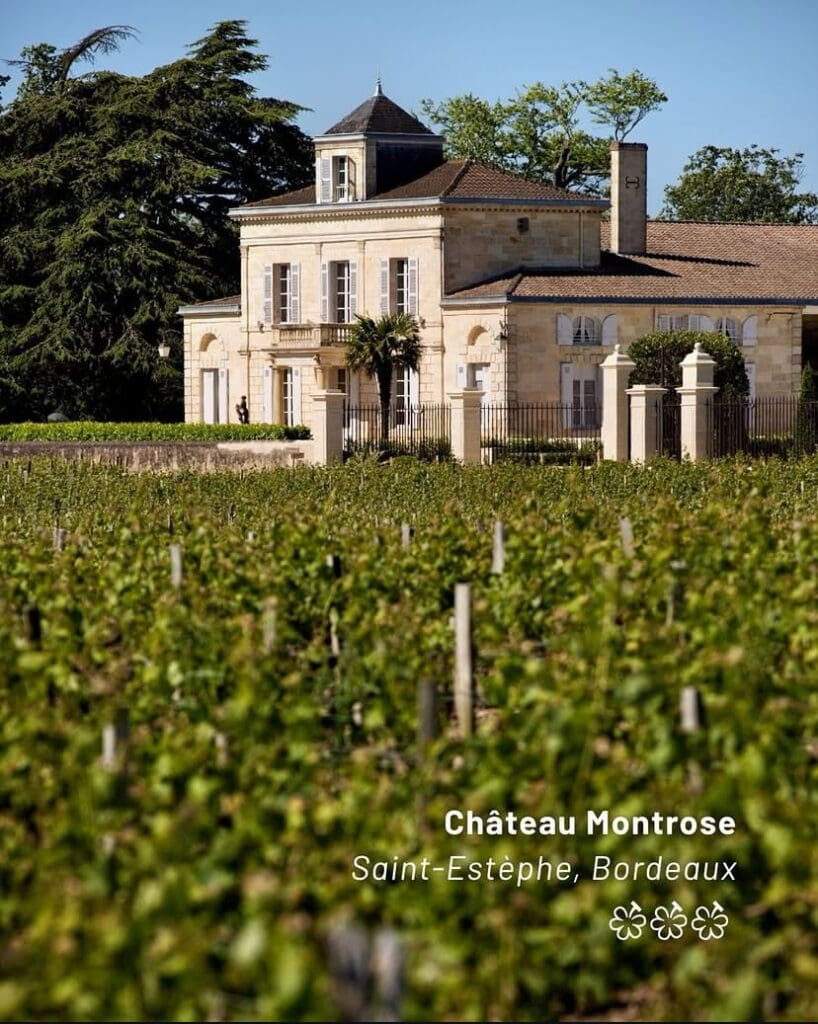
Left Bank (Médoc)
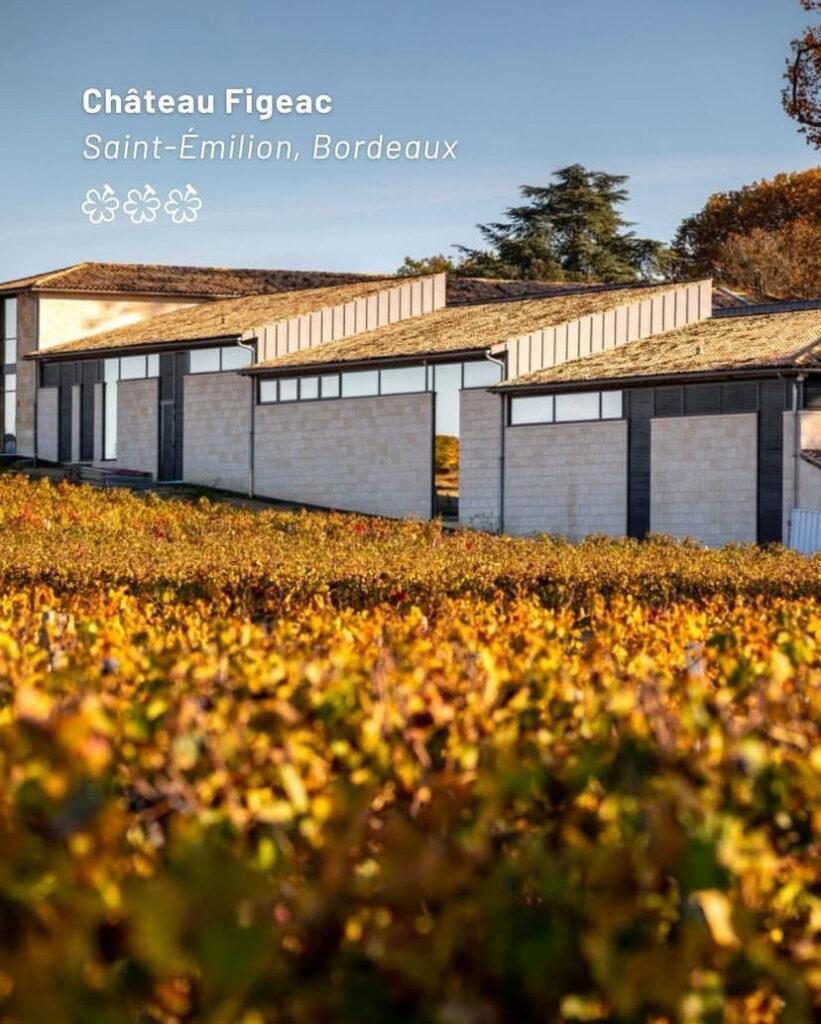
Right Bank
Sweet wine
Three observations worth more than the list itself.
Pomerol punched far above its weight. An appellation of roughly 800 hectares — smaller than many single Médoc communes — took three of the nine top spots. Michelin’s criteria reward consistency and estate identity rather than volume or price, and Pomerol’s micro-estates are built exactly that way.
Yquem at three grapes is a statement. Sweet wine has spent two decades being commercially squeezed. Michelin placed Sauternes’ reference point at the same level as Petrus and Lafite. Yquem’s general manager Lorenzo Pasquini framed the award as recognition of work done by his predecessors over decades — which is precisely what the “consistency over time” criterion is designed to capture.
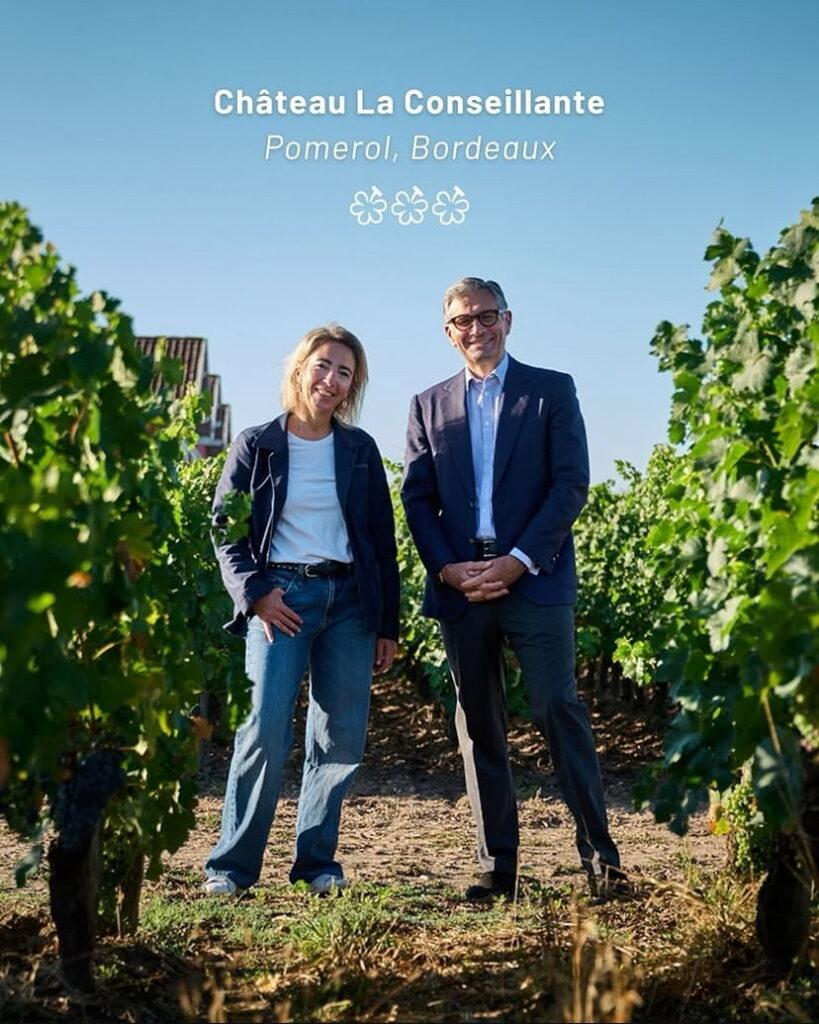
La Conseillante was the surprise. As its director Marielle Cazaux noted after the ceremony, when people think Pomerol they think Petrus or Lafleur first. A three-grape award moves an estate into a conversation it was not previously in — and that is exactly the effect Michelin stars have had on restaurants for a century.
| Château | Appellation |
|---|---|
| Château Mouton Rothschild | Pauillac |
| Château Pichon Comtesse | Pauillac |
| Château Pichon Baron | Pauillac |
| Château Pontet-Canet | Pauillac |
| Château Margaux | Margaux |
| Château Palmer | Margaux |
| Château Ausone | Saint-Émilion |
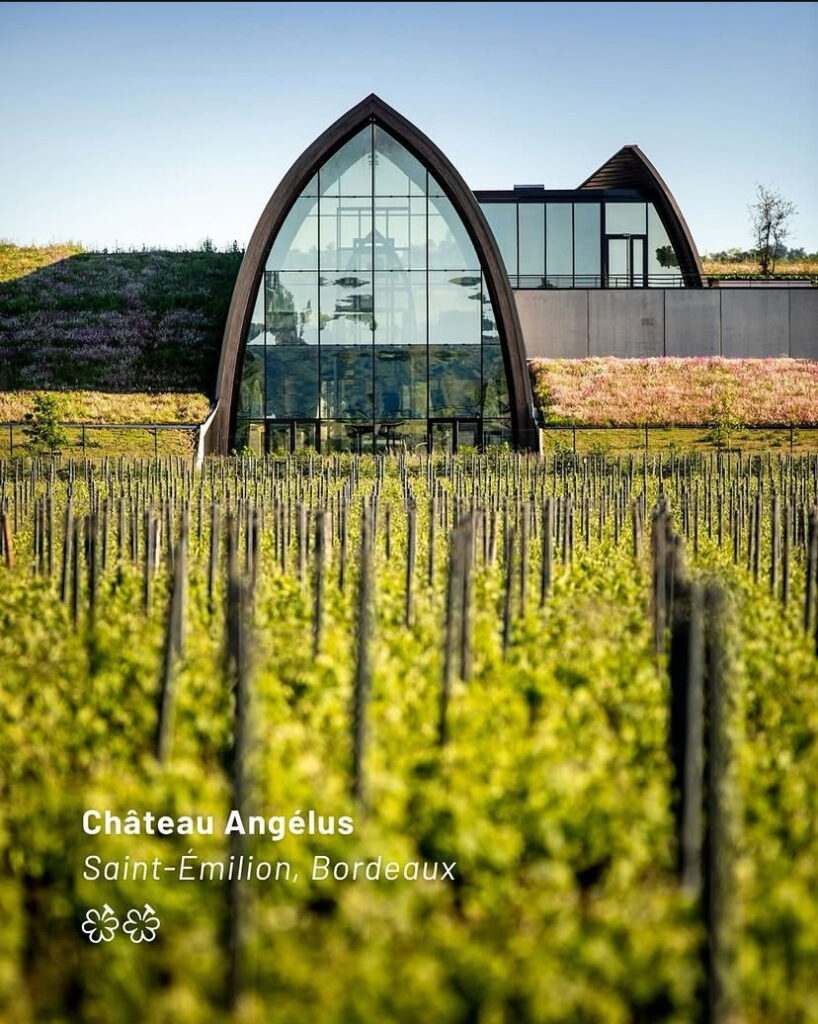
| Château Angélus | Saint-Émilion |
| Château Canon | Saint-Émilion |
| Château Troplong Mondot | Saint-Émilion |
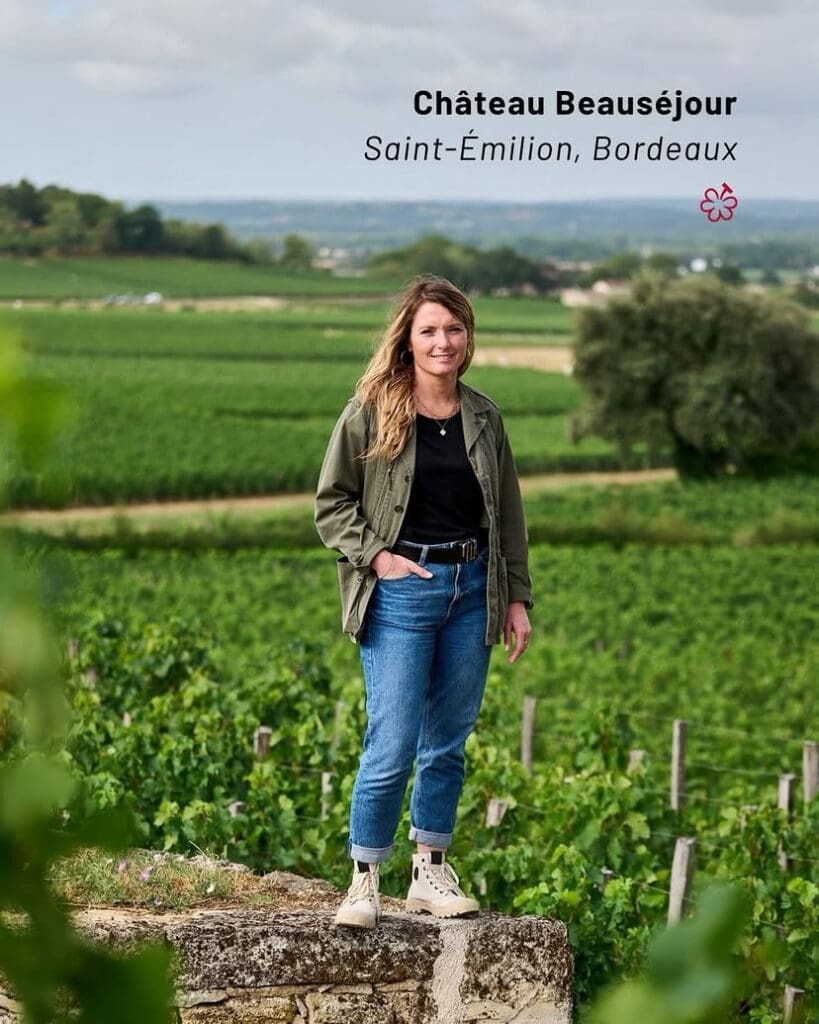
| Château Beau-Séjour Bécot | Saint-Émilion |
| Vieux Château Certan | Pomerol |
| Château Haut-Brion | Pessac-Léognan |
| Château La Mission Haut-Brion | Pessac-Léognan |
| Château Les Carmes Haut-Brion | Pessac-Léognan |
| Château de Fargues | Sauternes |
This tier is where the ranking gets genuinely interesting. Château Margaux, Mouton Rothschild, Haut-Brion and Ausone — four estates at the absolute summit of Bordeaux’s traditional hierarchy — sit at two grapes, not three. Michelin is signalling, deliberately, that its scale is not a re-run of 1855.
Château Pontet-Canet at two grapes is the other signal. It is not a First Growth and never has been, but it has been farmed biodynamically since 2004. Michelin’s first criterion is work in the vineyard, and this is what that criterion looks like when it is applied honestly.
One grape is not a consolation prize. In Michelin’s language it marks a producer of high quality with a clear, identifiable style — and for buyers, it is by far the most useful tier, because this is where quality still outruns price.
Saint-Émilion (10) Château Belair-Monange · Château Beauséjour · Château Bellefont-Belcier · Château Berliquet · Château Canon La Gaffelière · Château Jean Faure · Château Larcis Ducasse · Château Mangot · Château Soutard · La Mondotte
Pomerol (5) Château Clinet · Château L’Évangile · Château Lafleur-Pétrus · Château Le Pin · Château Trotanoy
Saint-Julien (4) Château Branaire-Ducru · Château Lagrange · Château Langoa Barton · Château Léoville Barton
Saint-Estèphe (3) Château Calon Ségur · Château Cos d’Estournel · Château Haut-Marbuzet
Pauillac (3) Château Clerc Milon · Château Grand-Puy-Lacoste · Château Lynch-Bages
Margaux (3) Château Brane-Cantenac · Château Giscours · Château Rauzan-Ségla
Pessac-Léognan (4) Château de Fieuzal · Château Haut-Bailly · Château Smith Haut Lafitte · Domaine de Chevalier
Sauternes (5) Château Closiot · Château Coutet · Château Rieussec · Château Sigalas Rabaud · Château Suduiraut
A further 21 châteaux were listed as Selected without a grape — in the guide, but unrated, exactly as Michelin does with Selected restaurants.
This is the question Bordeaux drinkers ask that Burgundy drinkers never had to. Bordeaux already has classifications. Why add another?
| 1855 Classification | Saint-Émilion Classification | Michelin Grappes | |
|---|---|---|---|
| Created | 1855 | 1955 | 2026 |
| Based on | Historical market prices | Terroir, tasting, reputation, facilities | Vineyard work, cellar work, identity, balance, consistency |
| Revised | Once, in 1973 | Roughly every 10 years | Announced as an ongoing, evolving selection |
| Covers | Médoc + Haut-Brion + Sauternes | Saint-Émilion only | All major Bordeaux appellations, both banks |
| Who is left out | The entire Right Bank | Everyone outside one commune | Estates not yet visited or not yet convincing |
Three practical differences follow.
It crosses the banks. For the first time, a single scale places a Pomerol estate, a Pauillac First Growth and a Sauternes château on the same ladder. The 1855 list never could — Pomerol simply was not in it.
It can move. A 1855 Fourth Growth is permanently a Fourth Growth regardless of what it has done since. Michelin has said explicitly that this first selection is a starting point, and it will expand and change. That makes it a live indicator rather than a historical artefact.
It rates the work, not the label. The clearest proof: Château Le Pin, one of the most expensive wines on earth, received one grape. Château Pontet-Canet, not classified in 1855 above Fifth Growth, received two. If price and prestige were driving this, that would not happen.
One notable absence: Château Latour does not appear among the 62 awarded estates. Michelin’s international director Gwendal Poullennec addressed this directly at the ceremony, describing the first selection as a humble first step rather than a finished map. Expect movement in 2027.
| Burgundy (July 2026) | Bordeaux (September 2026) | |
|---|---|---|
| Announced | 7 July 2026, Dijon | 8 September 2026, Cité du Vin |
| Estates selected | 94 | 83 |
| 3 Grappes | 9 | 9 |
| 2 Grappes | 20 | 16 |
| 1 Grappe | 33 | 37 |
| Selected (no grape) | 32 | 21 |
| Typical estate | Family domaine, a few hectares | Château, often corporate-owned, 30–100+ ha |
| What is being rated | A grower’s hand across many tiny plots | A team’s consistency across one large property |
Both regions ended up with exactly nine estates at the top — almost certainly not a coincidence, and a useful hint about how tightly Michelin intends to hold that tier as it expands worldwide.
The deeper contrast is structural. Burgundy’s greatness is expressed through fragmentation: one grower, twelve appellations, a few hundred bottles of each. Bordeaux’s is expressed through scale and blending: one estate, one grand vin, tens of thousands of bottles, made consistently across decades and successive management teams. Michelin applied identical criteria to both — and it is the consistency over time criterion that Bordeaux’s model is built to win.
Bordeaux is a more practical list than Burgundy for anyone drinking in Bangkok, for three reasons.
Availability is genuinely different. Grand cru Burgundy arrives in Thailand in tiny allocations, if at all. Bordeaux, by contrast, is the backbone of almost every serious importer’s portfolio and of nearly every fine-dining wine list in Bangkok. Most of the 37 one-grape châteaux are findable here without a hunt.
The one-grape tier is where your money works hardest. Lynch-Bages, Branaire-Ducru, Haut-Bailly, Domaine de Chevalier, Giscours, Calon Ségur — these are wines you can actually open on a Tuesday. A three-grape château is a different budget conversation entirely.
Sauternes just got a reason to come back. Five Sauternes châteaux carry one grape, de Fargues carries two, Yquem carries three. Sweet Bordeaux is chronically undervalued and it pairs remarkably well with Thai flavour profiles — spice, chilli heat, and the sweet-savoury balance in dishes like gaeng phet or anything built on palm sugar and fish sauce.
A word of caution. Awards move prices. Expect La Conseillante, Montrose and Figeac in particular to get more expensive and harder to source over the coming year. If you already hold them, you chose well.
Michelin’s five criteria — vineyard work, cellar work, identity, balance and consistency — are not mystical. They are the standard analytical framework any trained taster uses. You can learn it.
At Wine & Spirit Academy Bangkok, founded by a French sommelier, we teach exactly that:
Call 099-016-8838 or see all wine classes.

How many Bordeaux châteaux received Michelin Grappes in 2026? 83 estates were selected in total. Of those, 62 received a grape distinction — 9 with three grapes, 16 with two and 37 with one — while 21 were listed as Selected without a grape.
Which Bordeaux châteaux got 3 Michelin Grappes? Château d’Yquem (Sauternes), Château Lafite Rothschild (Pauillac), Château Montrose (Saint-Estèphe), Château Léoville Las Cases (Saint-Julien), Château Cheval Blanc and Château Figeac (Saint-Émilion), and Petrus, Château Lafleur and Château La Conseillante (Pomerol).
Do the Michelin Grappes replace the 1855 Classification? No. They measure different things. The 1855 list ranked estates by their market prices at the time and has barely changed since; the Grappes assess current winemaking work across five criteria and will be revised as the guide expands.
Why did Château Margaux and Haut-Brion only get 2 grapes? Michelin does not rate reputation, price or historical rank. It assesses vineyard work, cellar work, the wine’s identity, its balance and its consistency across vintages. Two grapes already places an estate among the strongest producers in the region.
Which appellations are covered in the Bordeaux selection? The Médoc communal appellations (Pauillac, Margaux, Saint-Julien, Saint-Estèphe), Pessac-Léognan, Saint-Émilion, Pomerol, and Sauternes-Barsac.
Which region gets Michelin Grappes next? Michelin has said the selection will roll out progressively across French wine regions before expanding internationally. No date has been confirmed for the third region.
Can I buy Grappe-awarded Bordeaux in Bangkok? Yes, more easily than Burgundy. Most one-grape and several two-grape châteaux are carried by Thai importers and appear on fine-dining wine lists. Three-grape estates are scarcer and priced accordingly.
Burgundy showed us that Michelin was serious about wine. Bordeaux shows us what its scale actually measures — because here, for the first time, it had to be judged against classifications that already existed. It rated Pontet-Canet above Le Pin, put Pomerol on equal footing with Pauillac, and left the world’s most famous names off the top step. That is a system with a point of view.
Whether you agree with it is exactly the right conversation to have — ideally with a glass in hand.
New to the award itself? Start with our guide to what the Michelin Grappes are, how they are judged, and the full Burgundy list.
By Wine & Spirit Academy (WSA Bangkok) The short answer:
By Wine & Spirit Academy (WSA Bangkok) The short answer: