By Wine & Spirit Academy (WSA Bangkok)
The short answer: Cabernet Sauvignon is the boldest of the three — dark fruit, firm tannin, built to age. Merlot is its softer, rounder cousin — plum, chocolate, smooth texture. Pinot Noir is the lightest and most delicate — red fruit, high acidity, silky tannin. All three are normally dry. If you like power, choose Cabernet; if you want easy and smooth, choose Merlot; if you want elegance and food-friendliness, choose Pinot Noir.
These three grapes appear on almost every red wine list in Bangkok’s hotels and restaurants, and they are the three names beginners see first. Yet most people choose between them by price or by label design. Once you understand what each grape does in the glass, you stop guessing — and you start noticing why a Pinot Noir works with larb while a Cabernet fights a green curry.
This guide covers each grape in detail, compares them head to head, explains how to serve them in a tropical climate, and shows how sommeliers tell them apart blind.
| Cabernet Sauvignon | Merlot | Pinot Noir | |
|---|---|---|---|
| Body | Full | Medium to full | Light to medium |
| Tannin | High, firm | Medium, soft | Low to medium, silky |
| Acidity | Medium to high | Medium | High |
| Colour | Deep purple-ruby, opaque | Deep ruby | Pale ruby, translucent |
| Main fruit | Blackcurrant, blackberry, black cherry | Plum, black cherry, blackberry | Red cherry, raspberry, strawberry |
| Other notes | Green pepper, mint, cedar, tobacco | Chocolate, mocha, bay leaf | Mushroom, forest floor, rose, spice |
| Ageing notes | Cigar box, leather, graphite, dried blackcurrant, earth | Leather, truffle, prune, fig, coffee | Forest floor, truffle, leather, game, dried rose |
| Sweetness | Dry | Dry | Dry |
| Home region | Bordeaux, Left Bank (Médoc) | Bordeaux, Right Bank (Saint-Émilion, Pomerol) | Burgundy |
| Climate it likes | Warm, long season | Moderate, clay soils | Cool, demanding |
| Ageing potential | Everyday wines 5-8 years; top Bordeaux and Napa 10–25+ years | Everyday wines 3–7 years; top Pomerol and Saint-Émilion 10–25 years | Everyday wines 2–5 years; Premier Cru Burgundy 8–15 years; Grand Cru 15–25+ years |
| Serve at | 16–18 °C | 15–17 °C | 13–15 °C |
| Best glass | Bordeaux (tall) | Bordeaux (tall) | Burgundy (wide bowl) |
| Choose it if you like | Power and structure | Smooth, generous fruit | Elegance and freshness |
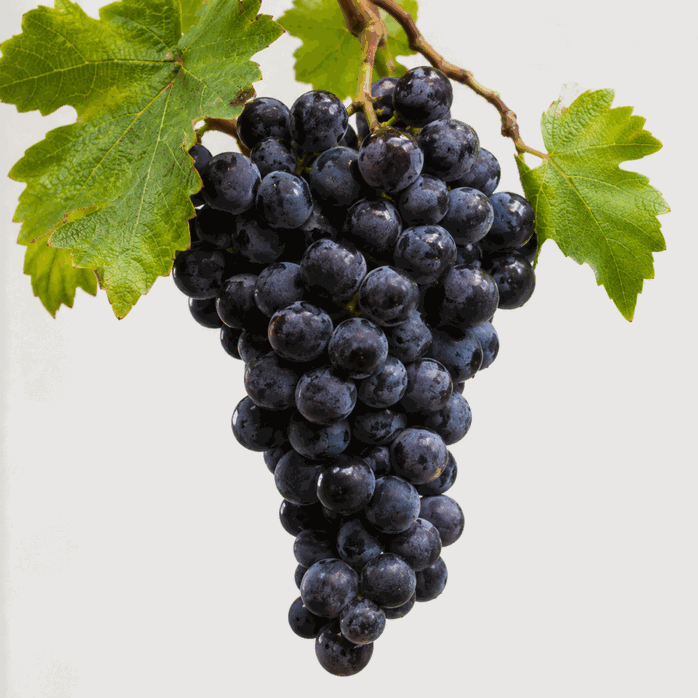
What it is. Cabernet Sauvignon is a natural cross between Cabernet Franc and Sauvignon Blanc, a parentage confirmed by DNA analysis at the University of California, Davis, in the late 1990s. Its small, thick-skinned berries give deep colour, high tannin and a lot of concentration. It is today the most widely planted wine grape in the world.
What it tastes like. Blackcurrant (cassis) is the signature, with blackberry and black cherry. In cooler sites or less ripe years you find a green note of bell pepper or mint, which comes from aromatic compounds called pyrazines. Oak ageing adds cedar, vanilla, tobacco and toast. The tannin is firm and drying, and the finish is long.
Where it comes from.
Who should drink it. Anyone who likes bold, powerful reds and grilled red meat. A young Cabernet benefits from decanting for 30 to 60 minutes; a mature one rewards patience.
Try it at WSA. Our French Premium Class: Bordeaux explores, over three hours of tasting and food pairing, the region where Cabernet and Merlot are blended. To take a bottle home, the shop’s Alter Ego de Palmer, Margaux 2013 shows what a classic Left Bank blend tastes like with a few years of age.
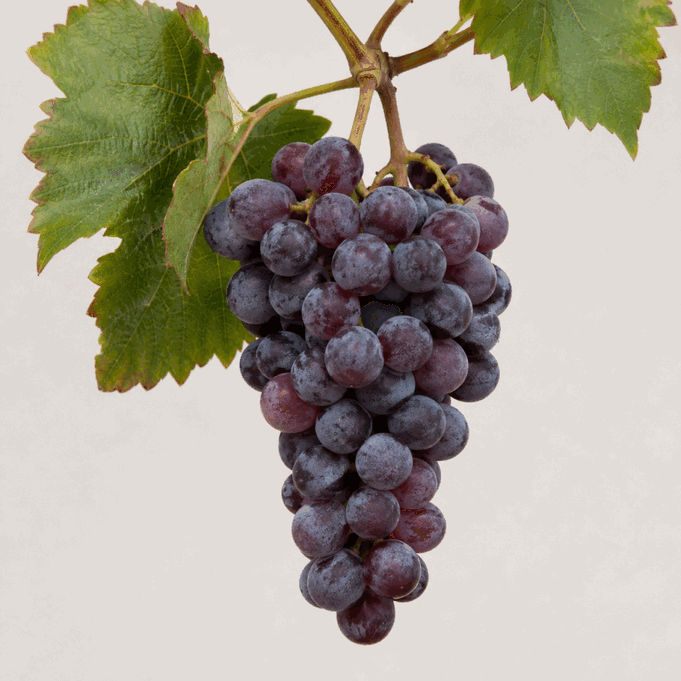
What it is. Merlot is the offspring of Cabernet Franc and a rare variety called Magdeleine Noire des Charentes, which makes it a half-sibling of Cabernet Sauvignon. It ripens earlier, has thinner skins and gives softer tannin. It is the most planted grape in Bordeaux.
What it tastes like. Plum, black cherry and blackberry, often with chocolate, mocha and a herbal bay-leaf note. The texture is round and supple; the tannin is present but smooth. From warm regions Merlot can be lush and almost jammy; from Bordeaux’s cool clay soils it is fresher and more savoury.
Where it comes from.
Its reputation problem. In the 2004 film Sideways, the main character famously refuses to drink Merlot. Sales of the grape in the US dipped for years afterwards — a reputation it never deserved, given that the greatest Pomerols are almost pure Merlot.
Who should drink it. Beginners moving on from sweet or light wines, anyone who finds Cabernet too drying, and tables with mixed dishes. Merlot is approachable young and rarely needs long decanting.
Try it at WSA. Taste the Right Bank style with Petit Cheval, Saint-Émilion Grand Cru 2017, the second wine of Château Cheval Blanc, from our shop.
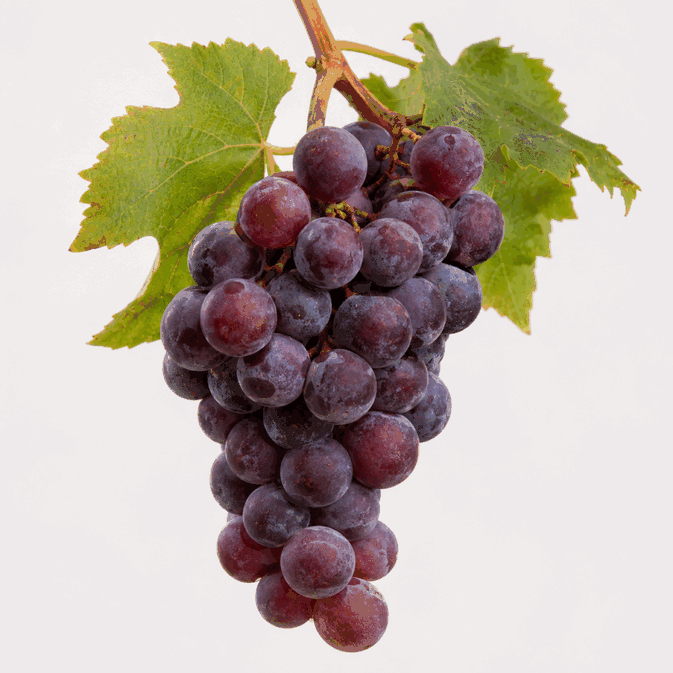
What it is. Pinot Noir is one of the oldest cultivated grape varieties, grown in Burgundy since at least the Middle Ages, when monks mapped its vineyards plot by plot. It is genetically unstable — Pinot Gris and Pinot Blanc are mutations of it — and its thin skin makes it sensitive to heat, rot and rain. Growers call it the heartbreak grape because it is so hard to get right.
What it tastes like. Red cherry, raspberry and strawberry when young; with age, mushroom, forest floor, leather and dried rose. The colour is pale and translucent, the acidity bright, the tannin fine and silky. A great Pinot Noir is about perfume and texture rather than power.
Where it comes from.
Who should drink it. Anyone who finds big reds heavy, fish and poultry lovers, and anyone eating Asian food. Pinot Noir is the most food-flexible red of the three.
Try it at WSA. Our French Premium Class: Burgundy explores the region where Pinot Noir is king, and the French Premium Class: Champagne shows its sparkling side.
They are half-siblings and blending partners, so they share dark fruit and a Bordeaux accent. The difference is structure. Cabernet has more tannin, more acidity and a more angular, savoury profile (cassis, cedar, green pepper). Merlot is rounder and fleshier (plum, chocolate) with softer tannin. In a blend, Cabernet gives the backbone and Merlot fills the middle.
Which is bolder? Cabernet Sauvignon. Which is smoother? Merlot. Which ages longer? In general Cabernet, though top Pomerol Merlot ages just as long.
The two ends of the red wine spectrum. Pinot Noir is pale, light-bodied, high in acidity and low in tannin, with red fruit and earthy notes. Cabernet is dark, full-bodied and tannic, with black fruit and wood. A Pinot grows best in cool climates; Cabernet needs warmth to ripen.
Food: Pinot Noir for duck, red tuna, salmon, mushrooms, pork and lighter Asian dishes. Cabernet for steak, lamb and hard cheeses.
Both are considered smooth, which is why beginners confuse them. Merlot is smooth because of its round, fleshy fruit and soft tannin; Pinot Noir is smooth because of its silky texture and light body. Merlot is darker, fuller and plummier; Pinot is paler, fresher and more perfumed.
Simple rule: if you want a red that feels generous and warm, choose Merlot; if you want one that feels light and lifted, choose Pinot Noir.
Learning to recognise these structural differences — tannin, acidity, body — is the core of any serious tasting method. See our 5-step method to taste wine like a sommelier.
Three rules explain almost every red wine pairing:
| Classic pairings | Thai dishes that work | Thai dishes to avoid | |
|---|---|---|---|
| Cabernet Sauvignon | Steak, lamb, burgers, aged cheddar | Suea rong hai (grilled beef, “crying tiger”), neua yang, mild beef panang | Green curry, som tam, anything very spicy |
| Merlot | Roast chicken, pasta with meat sauce, mushrooms, pork | Massaman curry, moo ping, gai yang, kao kha moo | Fiery jungle curries, sour salads |
| Pinot Noir | Duck, salmon, tuna, mushroom risotto, charcuterie | Larb moo, red curry with roast duck, grilled pork neck, sai ua (Northern sausage) | Very sweet or very sour dishes |
Pinot Noir is the safest red to order at a Thai table: its low tannin and high acidity follow spice, herbs and lime far better than a Cabernet. For a dish-by-dish guide across reds, whites and sparkling, read our Wine Pairing with Thai Food guide.
Want to practise pairing rather than read about it? Our beginner class Wine Etiquette & Pairings (2 hours, ฿3,500) is built for exactly that.
Forget “room temperature”. The rule to serve red wine at room temperature was written for European dining rooms at around 16–18 °C. A Bangkok room is closer to 28–32 °C, and at that heat any red tastes soupy and alcoholic. Put the bottle in the fridge for 15–20 minutes before opening (a little longer for Pinot Noir), then let it warm slowly in the glass.
| Ideal serving temperature | In practice in Bangkok | |
|---|---|---|
| Pinot Noir | 13–15 °C | About 30 minutes in the fridge |
| Merlot | 15–17 °C | About 20 minutes in the fridge |
| Cabernet Sauvignon | 16–18 °C | About 15 minutes in the fridge |
Use the right glass. A tall Bordeaux glass channels Cabernet and Merlot to the centre of the palate and tames tannin. A wide Burgundy bowl opens Pinot Noir’s delicate perfume. If you buy only one, choose a good all-round glass such as the Lehmann Jamesse Synergie.
Decant the big ones. Young Cabernet gains from 30–60 minutes of air; Merlot needs less; Pinot Noir rarely needs decanting at all. An electric aerator with vacuum saver does the job by the glass and keeps the rest of the bottle fresh.
Store away from heat. Heat is wine’s worst enemy in the tropics. Keep bottles lying down in a wine fridge or a cool, dark cupboard, never on a kitchen shelf or in a car.
Service temperature, decanting and glassware are practised and assessed in our FSS Advanced course.
Blind tasting is not magic; it is a checklist. Here is the simplified version sommeliers use to separate these three grapes in four steps.
Then confirm with context: a heavy, warm, oaky Cabernet suggests California; a savoury, cedary one suggests Bordeaux; an earthy, mushroomy Pinot suggests Burgundy.
This is exactly the skill FSS trains. Every FSS level weights the exam 60% on tasting, and students calibrate on up to 112 benchmark wines across the full program. Reading about it helps; doing it ten times with a teacher next to you is what makes it stick.
If this guide made you want to taste rather than read, WSA offers two routes: short wine classes for pleasure, and the four-level Foundations of Sommelier Skills (FSS) program for a structured, assessed qualification.
| FSS Basic | FSS Intermediate | FSS Advanced | Essentials of Sommelier Skills | |
|---|---|---|---|---|
| Duration | 1 day | 2 days (14 h) | 3 days (21 h) | 14 days + exam (98 h) |
| Price | ฿8,500 | ฿16,000 | ฿24,000 | ฿109,000 all-inclusive |
| What it adds to this guide | The main grape varieties, viticulture and a structured tasting method | Bordeaux and Burgundy in depth: where Cabernet, Merlot and Pinot Noir express their terroir, cru classifications, label law | Blind tasting, food pairing, decanting, service temperature, glassware, observed table service | All three levels in one program, 112 benchmark wines, study book, sommelier toolkit, supervised venue placement |
| Assessment | 40% written, 60% tasting | Written + deductive tasting | Written + blind tasting + observed service | Written, blind tasting, marked service, placement |
| Best for | Your first sommelier certificate, floor staff | Prior wine study, importer and sales roles | Staff stepping into a sommelier role | Career changers, first sommelier title |
Compare all levels on the FSS sommelier classes page, or read Top Certified Wine Programs in Bangkok 2026 and WSET vs CMS vs FSS to see how FSS compares.
Prefer one session without an exam? Our French Premium Classes are 3-hour masterclasses with guided tasting, food pairing and expert commentary, each devoted to one French region. They are the most direct way to taste Cabernet, Merlot and Pinot Noir in their homeland styles.
| French Premium Class | Price | What you taste in relation to this guide |
|---|---|---|
| Bordeaux | ฿5,500 | The home of Cabernet Sauvignon and Merlot: Left Bank vs Right Bank blends |
| Burgundy | ฿5,500 | The reference for Pinot Noir and how terroir changes it from village to Grand Cru |
| Champagne | ฿6,500 | Pinot Noir’s sparkling side, blended with Chardonnay and Meunier |
| Loire Valley | ฿5,500 | Cool-climate France: crisp whites and Cabernet Franc, the parent of both Cabernet Sauvignon and Merlot |
| Rhône Valley | ฿5,500 | A contrast: Syrah and Grenache, to understand what makes Bordeaux and Burgundy reds different |
Our suggestion: book Bordeaux and Burgundy back to back. Tasting the two regions one after the other is the fastest way to lock in the difference between Cabernet, Merlot and Pinot Noir. Beyond France, the Italian and Spanish Premium Masterclasses (฿5,500 each) complete the picture, and a wine class gift voucher makes a good present for a red wine lover.
Cabernet Sauvignon is full-bodied and tannic with blackcurrant and cedar; Merlot is medium-to-full, softer, with plum and chocolate; Pinot Noir is light, high in acidity and low in tannin, with red cherry and earthy notes.
Dry. Pinot Noir can taste fruity because of its bright red-fruit aromas, but almost all Pinot Noir is fermented to dryness, with no noticeable residual sugar.
Cabernet Sauvignon. It has more tannin, more structure and usually darker colour. Merlot is rounder and softer.
Yes, in most cases. Merlot’s thinner skins give softer tannin, so it feels smoother and is more approachable when young.
Merlot or Pinot Noir. Both have gentle tannin. Choose Merlot if you like fuller, fruitier wines, and Pinot Noir if you prefer something lighter and fresher.
Pinot Noir. Its low tannin and high acidity handle spice, herbs and lime better than Cabernet. Serve it slightly chilled.
Cooler than the room. Aim for 13–15 °C for Pinot Noir and 15–18 °C for Merlot and Cabernet: 15–30 minutes in the fridge before serving is usually enough.
Yes. Both have Cabernet Franc as a parent, which makes them half-siblings. They are also the two main grapes of the Bordeaux blend.
Cabernet Sauvignon generally has the longest ageing potential thanks to its tannin, but top Pomerol Merlot and Grand Cru Burgundy Pinot Noir can also age for decades.
Wine & Spirit Academy runs three-hour wine masterclasses and the four-level FSS sommelier program in Bangkok, from a one-day FSS Basic (฿8,500) to the 14-day Essentials of Sommelier Skills.
You can memorise every line of this guide and still hesitate in front of a wine list. The difference between Cabernet, Merlot and Pinot Noir becomes obvious only when the three glasses sit side by side and someone shows you where to look.
→ New to wine: start with FSS Basic (1 day, ฿8,500) or the Wine Etiquette & Pairings class (2 hours, ฿3,500).
→ Ready for a career in wine: see the full FSS sommelier program, from Basic to Essentials.
→ Just curious about one region: book a French Premium Class — Bordeaux or Burgundy masterclass.
Not sure which level fits? Call 099-016-8838 (Mon–Fri, 9:00 am–8:00 pm) or message us on LINE. New to wine altogether? Begin with our Wine 101 beginner’s guide or French Wine Regions Explained.

By Wine & Spirit Academy (WSA Bangkok) The short answer:
By Wine & Spirit Academy (WSA Bangkok) The short answer: